No-touch sensor option for hard-to-monitor patients
A medical innovation is moving past current conversations around wearable devices and monitors for remote care, to a new no-touch product using radio waves.
United
Aussie farmers help feed AI model for pasture biomass
Australian farmers are being asked to help train a global artificial intelligence (AI) model with the goal of improving management of a quarter of the world’s
Study urges focus on longer walks, not step totals
Regular walks of more than 10 minutes may be more beneficial than the much-publicised 10,000 steps a day target.
New global research, led by the University of Sydney and
Lifestyle trumps drastic weight loss in fertility stakes
Weight loss, by itself, is not enough to boost male fertility, according to a new Australian study.
University of Adelaide researchers have analysed 32 global studies
New biomarker helps to better target ovarian cancer
Australian researchers have found a better way to target one of the world’s most deadliest cancers.
Scientists from the University of South Australia (UniSa) and
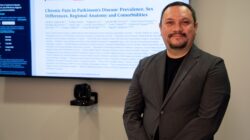
Parkinson’s pain a chronic problem often overlooked
People living with Parkinson’s disease are nearly three times more likely to suffer from chronic pain compared to the general community.
QIMR Berghofer Associate
The deteriorating health of tropical rainforests are turning them into carbon emitters, as opposed to the traditional carbon sinks relied on to combat the greenhouse
Gallipoli Medical Research celebrates 20 years of innovation
A Brisbane medical research institute, which translates innovation into practical support for Australia’s military veterans, is this year remembering 20 years of
Shape-shifting robots rise from thin sheets. Watch video
Researchers have created robots which can “shape-shift” without the need for a motor.
North Carolina State University scientists have developed metabots, made from
First trial of psychedelics to treat depression promising
Results from the first Australia trial of using psychedelics to treat depression have given hope for a new effective treatment.
Lead researcher Professor Susan Rossell,