Tropical soda apple, a highly invasive weed, has been found on properties at Stony Creek, Neurum and Morayfield, north of Brisbane.
The City of Moreton Bay says council biosecurity officers are working with landholders to identify and assist with treatment to stop the “nightmare weed” from spreading.
Tropical soda apple (solanum viarum), also known as TSA, spreads rapidly, with the potential to infest an entire hectare of land within six months,
It can prevent livestock from accessing water and shade, if left unchecked.
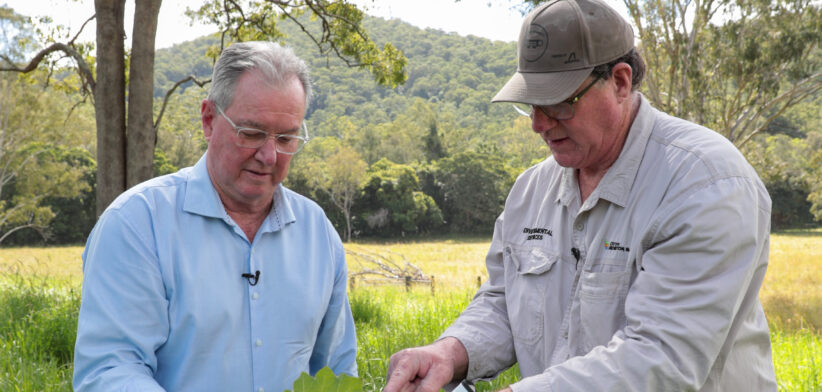
Moreton Bay Mayor Peter Flannery said the Council’s biosecurity officers were working with landholders to eradicate the weed.
“We identified 40 properties along Stony Creek and the Lower Stanley River where we believed TSA could be growing,” he said.
“Our biosecurity officers have inspected all of these properties and found TSA on 18 of them.
“This included an area at Stony Creek where a large number of plants were detected. Council has supported these landholders with their TSA management programs aiming to eradicate the weed.”
Cr Flannery said TSA was a prohibited invasive plant under Queensland’s Biosecurity Act.
It could pose a serious risk to pastures, horticulture, natural areas, crops, livestock and even humans.
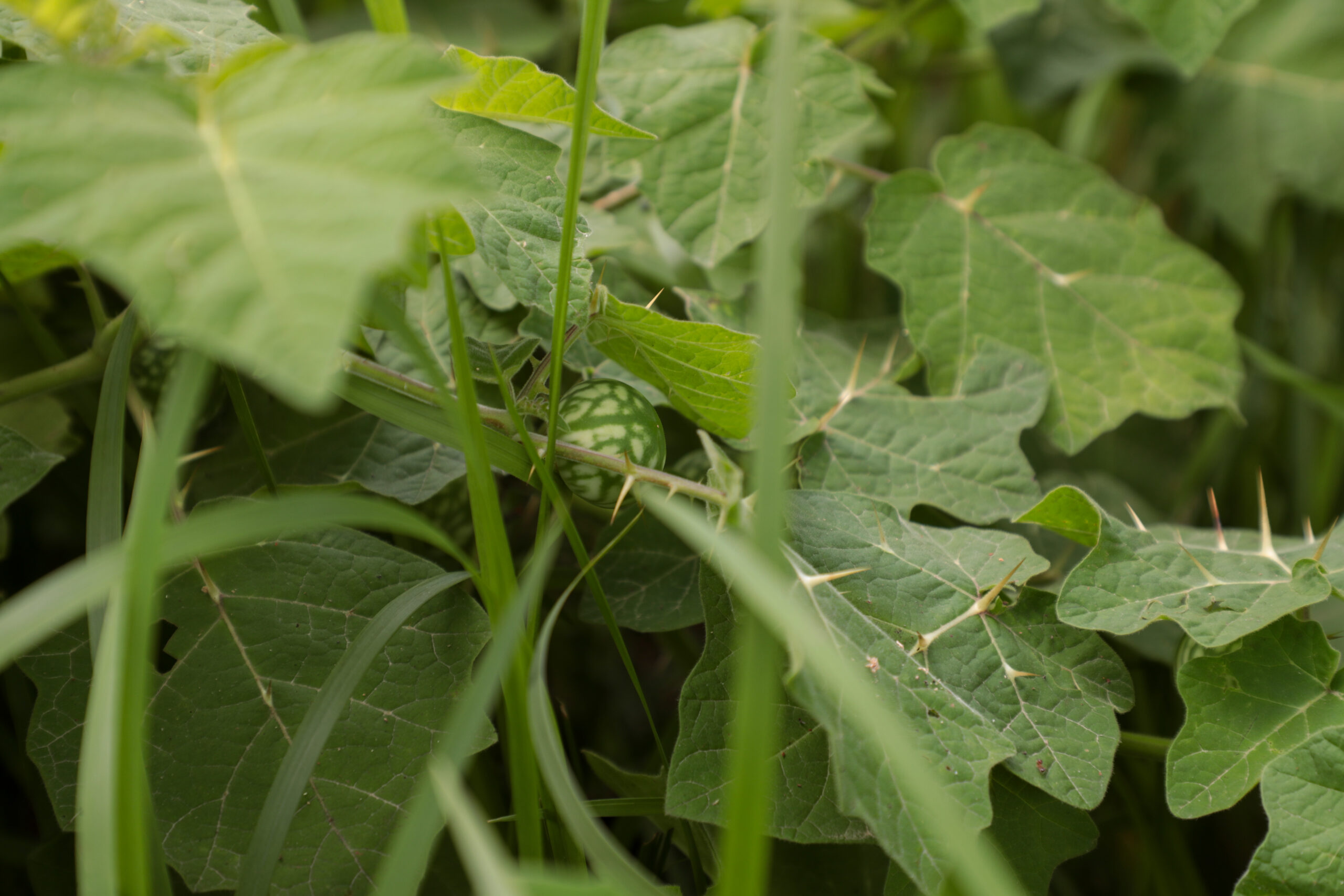
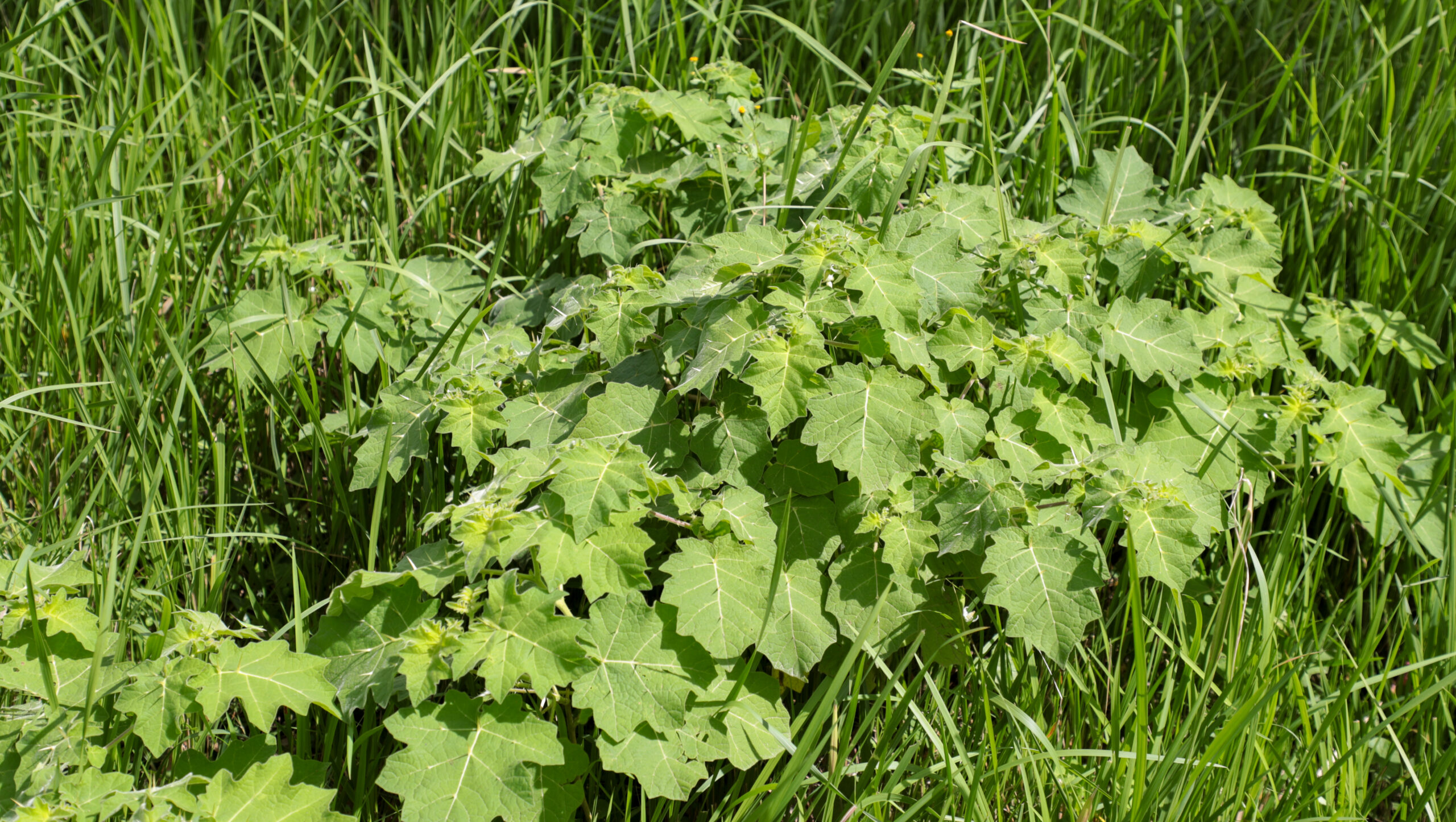
Tropical soda apple is a perennial shrub with yellow fruit and white flowers.
It grows up to two metres tall and has sharp thorn-like prickles up to 12mm long. The sharp prickles can injure people and animals, and the plant has the potential to become so dense that it prevents livestock from accessing shade and water.
Mayor Flannery said TSA was first detected in the Stony Creek area by a contractor for another organisation who was familiar with the weed, having previously worked in NSW where the plant is more common.
“The weed’s seeds are usually spread by animals that feed on the fruit,” Cr Flannery said.
“In this case, we believe the weed may have been spread to the Stony Creek area by cattle that had consumed tropical soda apple from an infestation elsewhere, possibly in NSW, although it’s impossible to know for sure.”
In Florida – which has a similar climate to southern Queensland – the weed spread so quickly it infested more than half a million hectares in five years.
Members of the community can report sightings to Biosecurity Queensland either online, or by calling Biosecurity Queensland on 13 25 23 or the Exotic Plant Pest Hotline on 1800 084 881.