A traffic control system powered by artificial intelligence (AI) will be piloted at 37 intersections in Brisbane.
The system is designed to reduce average travel times by 15 percent and reduce intersection queue lengths by 22 percent.
Brisbane City Council announced this week that the system will use traffic cameras, “edge computing” and AI to analyse traffic conditions at the intersections along Logan Road and Kelvin Grove Road.
The pilot will begin in early 2027. If the pilot is successful, the technology will be rolled out across the wider road network.
In July, the City of Moreton Bay, north of Brisbane, also announced that it would be introducing an AI-powered traffic signal system in Petrie. Both councils are claiming the pilots as Australians firsts.
Brisbane City Council said in a statement that the system was able to optimise signal timing in real time to improve safety and travel times across an entire road corridor.
“It does this by determining traffic volumes and queue lengths and calculating the best traffic light sequence,” BCC said.
“It connects with Council’s existing traffic signal system (SCATS) and works at both State and Council-controlled intersections.”
The Council said the system would protect the sensitive personal data of Brisbane residents by blurring faces, number plates and any other personally identifiable information.
All data gathered would be stored in Council-owned and managed data centres across four Brisbane locations and will not be sent offshore.
Lord Mayor Adrian Schrinner said time stuck in traffic robbed people of time to do more important things.:
“Brisbane is growing quickly and we can’t simply build our way out of congestion, particularly through established suburbs,” Cr Schrinner said..
“We’re investing in smarter technology that can get more out of the roads we already have and help people get where they’re going sooner and safer.”
The Council said the benefits from the AI system was expected to include:
- Up to a 15 percent reduction in average travel time
- Up to a 22 percent reduction in intersection queue lengths
- Up to a 12 percent reduction in rear-end crashes
- Up to an 18 percent reduction in red-light violations
The six-month pilot will cover 15 intersections on the Kelvin Grove Road corridor and 22 intersections on the Logan Road corridor.
More than 62,000 vehicles use Kelvin Grove Road a day, with a further 30,000 using Logan Road daily.
The system is being deliver by Australian-owned company J1-LED, engineering consultancy WSP and Intelligent Traffic Control.
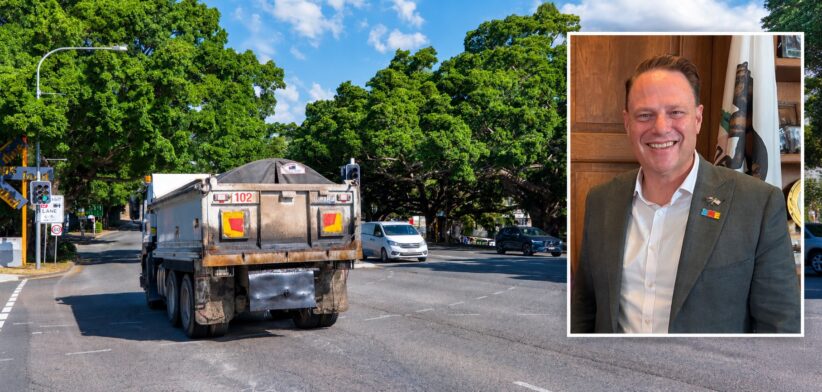
Council Chair for Infrastructure, Councillor Ryan Murphy said the Council intended to roll out intelligent traffic management on a grand scale.
“We are only just scratching the surface of what AI Traffic Management can do,” Cr Murphy said.
“While this pilot will focus on two corridors, adding AI technology to our traffic network will allow us to run Brisbane’s 5000-kilometre road network and 1000 signalised intersections far more efficiently.”
RACQ Executive Manager Public Policy, Dr Michael Kane, said he supported councils taking steps to improve traffic flow to help people spend less time on the roads caught in congestion.
“AI Traffic management technology is a great way to get more out of our existing infrastructure, while we plan and deliver larger, integrated projects that build capacity and connectivity on our transport network for decades to come.”