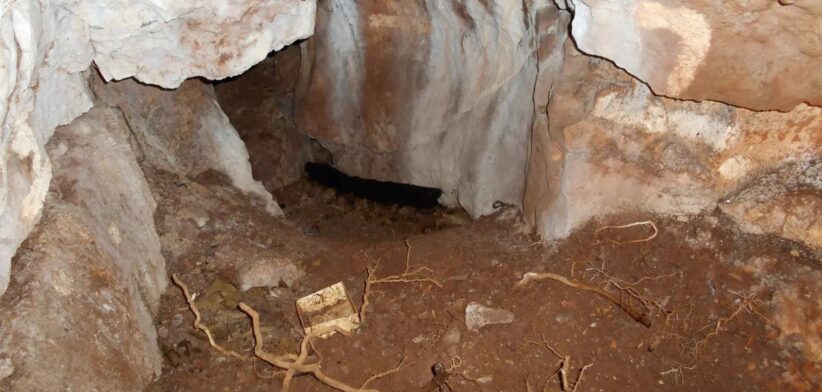
Scientists have uncovered human remains in Northern Britain dating back 11,000 years, the oldest ever discovered in the region.
DNA testing has confirmed the young girl, who has been named Ossick Lass, was between 2.5 and 3.5 years old when she died.
The remains were uncovered inside Heaning Wood Bone Cave near Great Urswick in Cumbria.
An international team led by researchers from the University of Lancashire has now successfully extracted DNA from the materials and confirmed the significance of the discovery.
Researchers say the burial is considered the third oldest known Mesolithic burial in northwestern Europe and some of the earliest evidence of human activity in Britain after the end of the last Ice Age.
Before this discovery, the earliest known human remains in northern Britain came from a 10,000-year-old burial uncovered in nearby Kent’s Bank Cavern in 2013.
Archaeologists have also uncovered jewelry from the area that included a pierced deer tooth and beads, all carbon dated to around 11,000 years ago.
“It is the first time we have been able to be so specific about the age of a child whose remains are so old and be certain that they are from a female,” lead researcher Rick Peterson said.
“Dating the jewelry to the same time frame as the remains provides more evidence that this was a deliberate burial and opens up conversations about the significance of cave burials during this period.
“Modern hunter-gatherer groups often see caves as a gateway into the spirit world, and this may be why we see so many caves used for burial by Early Mesolithic hunter-gatherers in northern Europe.”