More than 50,000 Australians have been officially diagnosed with Respiratory Syncytial Virus (RSV) so far this year.
Known cases of RSV, at 52,383, are more common than COVID (41,036) and influenza (34,204).
The figures were released today by the Immunisation Foundation of Australia, which also released a survey showing strong support for the new federally funded RSV vaccination program.
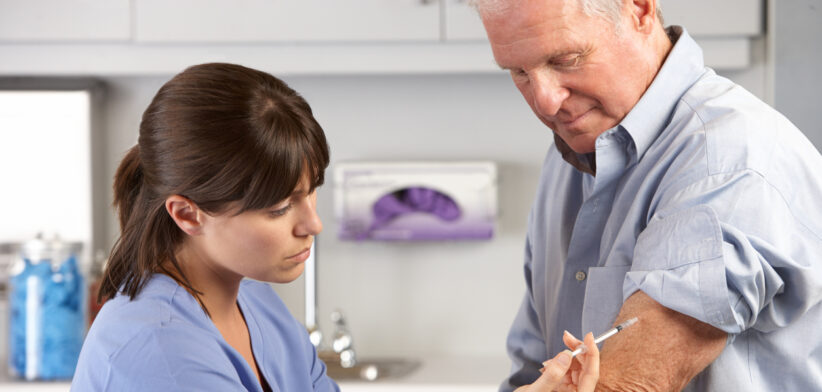
It said in a statement that, three weeks into the program, 60 percent of Australians eligible for free RSV vaccination had either already received the vaccine or intend to do so soon.
The vaccination is free for people aged 75 years or over and Aboriginal and Torres Strait Islander people aged 60 years or over.
RSV is a common and highly contagious respiratory virus that can cause cold-like symptoms in many people but also lead to serious illness in older adults.
Severe RSV was associated with nearly 500 deaths in Australia in the first nine months of 2025.
The nationwide survey of 1000 people found 63 percent of respondents viewed vaccination against RSV as equally important as influenza.
Founder and Executive Director of the Immunisation Foundation of Australia Catherine Hughes said the findings showed that older Australians were ready for RSV protection.
“What’s holding many back isn’t reluctance, it’s simply not knowing the vaccine exists or that it’s now free. That’s something we can fix,” she said.
Professor Robert Booy of Paediatrics and Child Health at the University of Sydney said RSV could hit older adults hard.
“It inflames and blocks the airways, making it difficult to breathe, and can lead to serious complications including pneumonia,” he said. “However, this is just the tip of the iceberg when it comes to the true impact of the virus.
“An RSV infection places strain on the whole body, particularly the heart and lungs, and can trigger a sudden decline in the health of people living with asthma, COPD, heart disease or diabetes.”