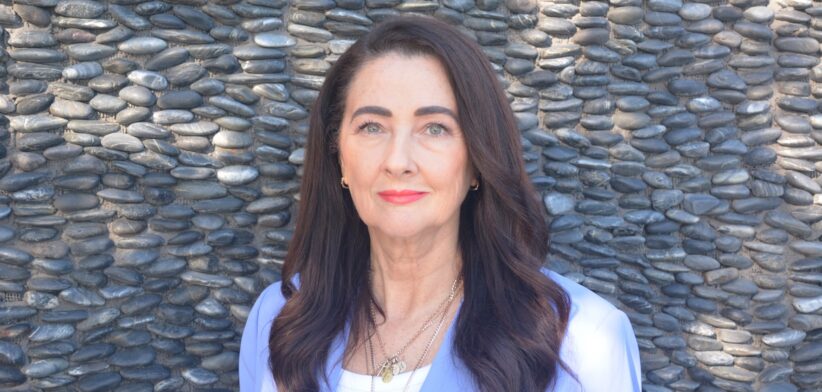
A Brisbane’s domestic violence group is calling for a perpetrator database, similar to Daniel’s Law for child sex offenders, which would allow public access to information about convicted DV offenders in Queensland.
Beyond DV, which focuses on family violence prevention and recovery, wants stronger protection measures after the organisation’s victim data revealed gaps in protecting women from repeat domestic violence offenders.
Beyond DV Founder Carolyn Robinson said a survey of more than 100 women they support found that 20 percent of domestic violence victims later discovered their perpetrator had harmed more than five partners.
More than 82 percent later became aware that their perpetrator had abused at least one other person, but only 2.4 percent knew this when they started the relationship.
Ms Robinson said the survey highlighted an urgent and critical gap in domestic violence prevention and early intervention.
“A Domestic Violence Disclosure Scheme would allow someone who may be at risk to request information about a current or former partner, so they can make informed decisions about their safety and relationship,” Ms Robinson said.
“Without access to information about a partner’s violent history – including convictions, protection orders, breachers of orders, and patterns of abuse – people remain at unnecessary risk.”
The Beyond DV survey showed 87 percent of victims said they would have used a disclosure scheme if one had been available, and 75 percent believe that having information about their perpetrator’s history would have changed their journey.
Ms Robinson said South Australia was the only state in Australia with a domestic violence disclosure scheme.
It is similar to a program operating in the United Kingdom which allows people with concerns about a partner to seek information and support through police and specialist services.
Ms Robinson said data from South Australia showed the approach was effective.
Ninety-nine percent of participants reported being satisfied or very satisfied with the service and information provided.
Ninety-eight percent said it helped them make decisions about their personal safety, while 95 percent said it supported decisions about broader safety concerns including the safety of children.