Queensland’s hotel supply has “effectively stalled” while demand continues to accelerate, new research reveals.
Without massive improvements, the state is facing an 11,000 room shortfall in what is required for the 2032 Olympic and Paralympic Games.
The Property Council 2026 Queensland Hotel Market Outlook says just one new hotel opened across Brisbane, the Gold Coast or the Sunshine Coast in the past 12 months.
This was despite record occupancy, rising room rates and sustained growth in visitor demand.
Queensland was now “demonstrably off‑track” to meet the State Government’s accommodation targets.
The probability‑adjusted pipeline was showing that only 24 percent of the 14,700 rooms required by 2032 would be delivered, and only nine percent of the 40,000‑room Destination 2045 target.
This equates to an 11,000 room shortfall by 2032.
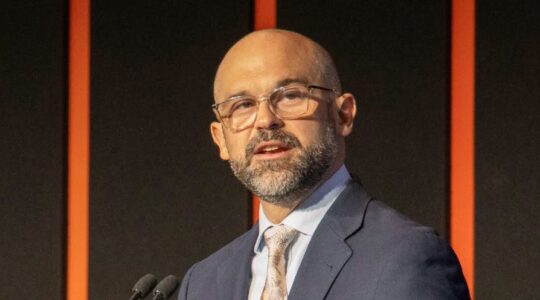
Property Council Queensland Executive Director Jess Caire said the findings reinforced that the accommodation challenge was structural, not cyclical.
“The demand is here, the global spotlight is coming, but the rooms are not,” Ms Caire said in a statement.
“Queensland’s hotel markets are doing exactly what we would hope – attracting visitors, lifting occupancy and driving strong returns, yet the supply response has stalled completely.”
Ms Caire said the findings confirmed the previous year’s conclusion that the state’s hotel supply was not in a “short‑term dip or a construction hangover”.
It had a feasibility problem that was getting worse.
CBRE’s Head of Hotels Research Ally Gibson said the data showed hotel markets across Brisbane, the Gold Coast and the Sunshine Coast were exceptionally tight, with demand well above pre‑pandemic levels.
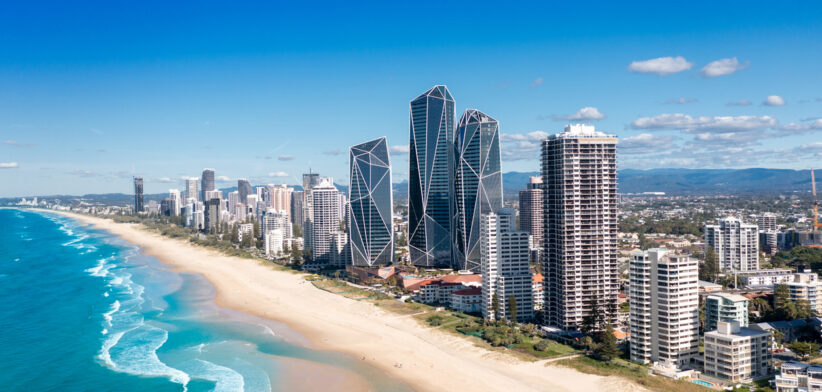
“Across Brisbane, the Gold Coast and the Sunshine Coast, just one new hotel opened in the past 12 months – the Mondrian in Burleigh Heads. One exceptional property in three major markets. That tells you everything about the supply problem we face,” Ms Gibson said.
“Hotels are fundamentally different to other asset classes. They are highly capital‑intensive, rarely pre‑sold or pre‑leased, and must absorb escalating construction, financing and operating costs before reaching stabilised performance.”
Construction costs for three-to-five-star hotels had risen close to 40 percent since 2019.
CBRE is forecasting a further 18 percent across 2026 and 2027.
Ms Caire said policy settings needed to give investors the confidence to bring forward hotel projects at the scale and pace required.
“We’ve seen before that when planning, tax and investment settings align, Queensland can deliver,” she said.
“The challenge now is replicating that success in a much tougher feasibility environment.”
The full report is available here.