By Shane Rodgers
Queensland has a shrinking coal industry and a waning investment pipeline despite growing global demand, according to a senior mining executive.
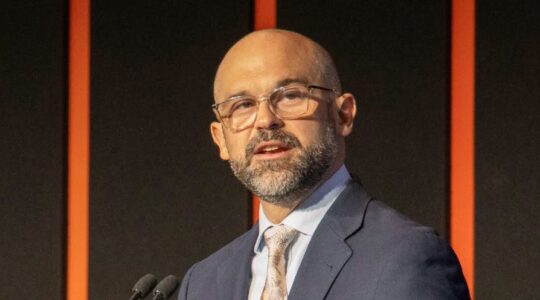
QMetro Managing Director Andrew Boyd said the state had some of the best coal resources in the world but governments seemed to be embarrassed to be a “coal nation”.
“Despite that advantage…we’re going backwards,” he said.
“Queensland’s coal export volumes last year were about 30 million tonnes down on where they were 10 years ago.”
This was a result of an “onerous” royalty regime and long approval times that were acting as a strong disincentive for exploration and investment.
Mr Boyd, whose company is the main shareholder of the Foxleigh mine in Middlemount, told this morning’s Queensland Futures Institute Queensland Resources forum that the fall was despite a 15 percent increase in demand for metallurgical coal.
The coal was instead being sourced from Mongolia, Russia and Indonesia (for thermal coal).
“It (the decline) is self-inflicted. It is completely self-inflicted,” he said.
“It really is (a result of) policy and, in my view, it’s been a series of federal and state governments that have just been a bit embarrassed to be a coal nation.
“That’s led to either obstruction to approvals or ambivalence at best, but probably obstruction at worst in terms of these projects getting off the ground.”
Mr Boyd said that for mining to have a future there was a requirement to continually invest to replace depleting resources.
“If we’re not investing now in projects for 10–15 years’ time, they won’t happen,” he said.
“I don’t see enough future investment, and that means production will decline. Even if royalty rates remain high, total revenue will fall because output falls.”
“There’s also concern about reduced exploration. A relatively small investment in exploration can unlock billions in royalties, yet drilling activity is declining. That’s a warning sign.”
Mr Boyd said he doubted whether most Queenslanders fully understood the importance of the coal industry to state jobs and revenue.
“Our industry is shrinking, and that should concern everybody in the room,” he said.
“If we want a strong coal sector, we all need to advocate for it. Without that support, it will decline.”
Mr Boyd said he had been involved with projects that went through a 14-year approval process.
This was compounded by an “onerous royalty regime” where the top bracket taxed coal revenue (not profit) at 40 percent.
“You are looking at companies producing the best quality metallurgical coal in the world – they’re in that bracket and not making money,” Mr Boyd said.
“You don’t have to be an economist to work out that’s not sustainable. Over the last five years, the coal industry contributed about $500 million in royalties to the state government, but you’ve got an industry in decline and not profitable. It doesn’t work.”
Mr Boyd said the impacts went well beyond regional coals towns.
Brisbane was “Queensland’s biggest coal town” and declines were impacting legal firms, accounting firms, recruiters, engineering firms, hotels, cafes and equipment suppliers.
“At the moment, the state government doesn’t see votes in coal in Southeast Queensland,” he said. “We’ve got the capacity to grow. We could be supplying coal currently coming from Russia and Mongolia.”
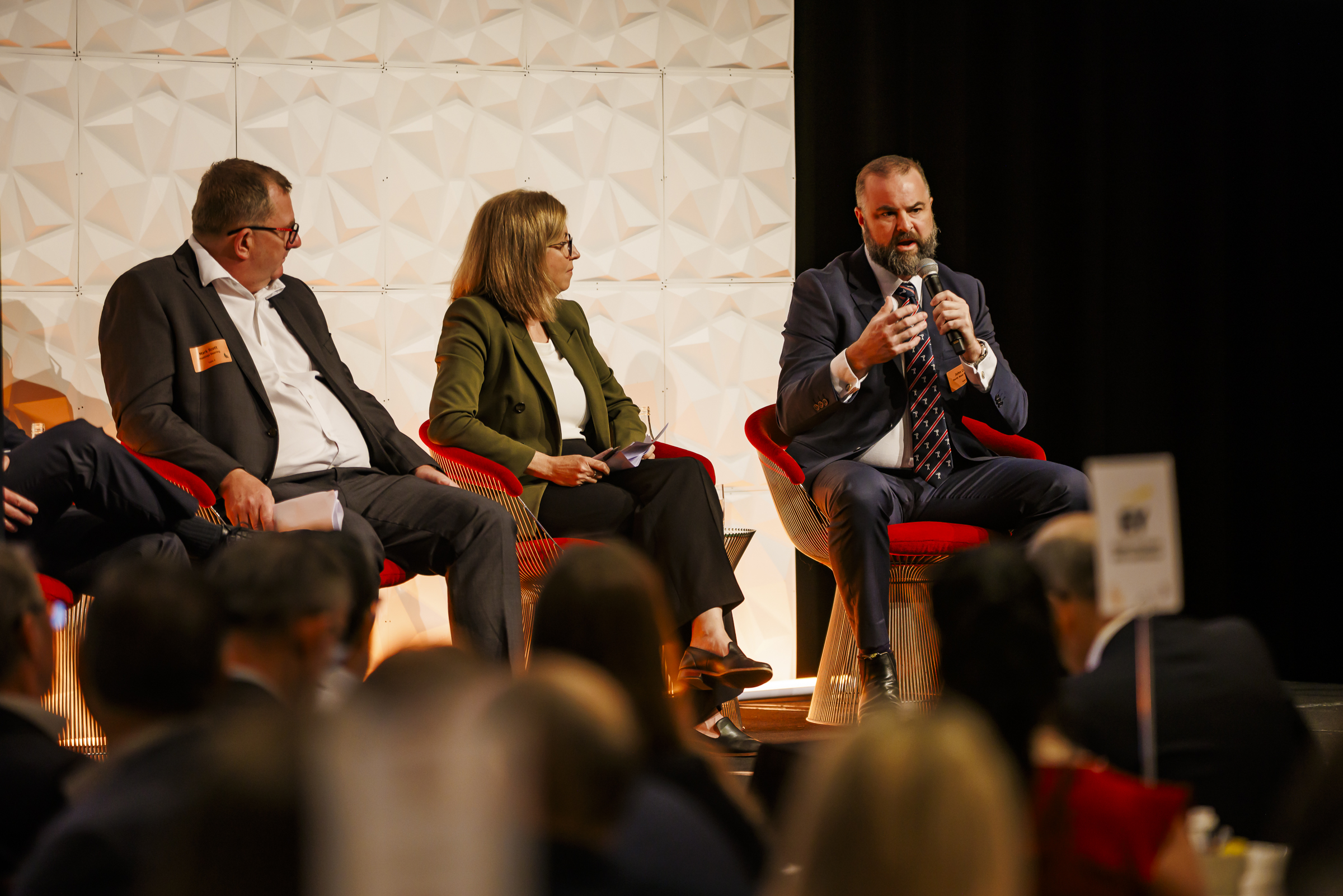
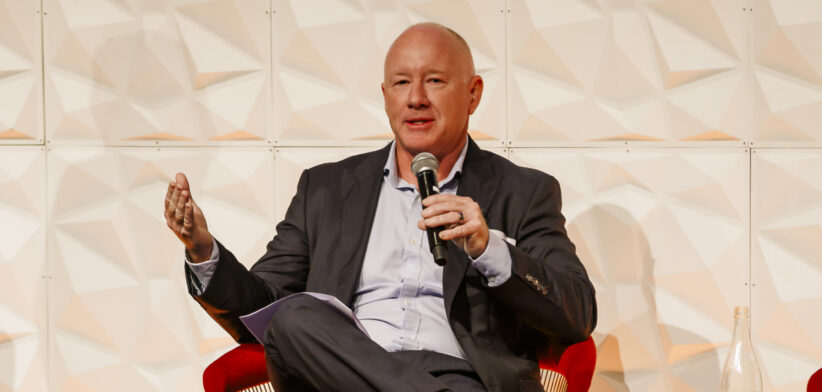
North West Phosphate Managing Director John Cotter told the QFI forum that his company’s phosphate project in north-west Queensland had taken 17 years to get off the ground from exploration to production.
This was despite Australia importing 90 percent of its fertilisers and the need to develop domestic production capacity.
“We need more courageous decision-making from the public service and politicians,” Mr Cotter said.
“There is a lack of trust between proponents, government agencies and communities. Over-proceduralising things takes us away from the basics of growing sustainable economic activity.”
Mr Cotter said fertiliser imports were a vulnerability and discussion needed to be broader than just “sexy” industries like critical minerals.
Queensland Resources Council CEO Janette Hewson said many local councils across the state relied on resources to support their rates base.
Data also showed that more than 1700 communities organisations received support from resource companies.
“If that stops, it impacts sports, activities, and quality of life in regional areas,” she said.
Ms Hewson said, as well as the challenges, there were opportunities.
“Queensland has the best coal in the world, mined responsibly,” she said. “We have an incredible LNG industry built in a short time.
“We also have exciting developments like the Taroom Trough exploration. This could deliver medium-term fuel security. We’ve seen global supply chains fail during COVID and again now – local capability matters.”
There was also a major critical minerals opportunity in northwest Queensland but shifts in government thinking were needed to unlock this.