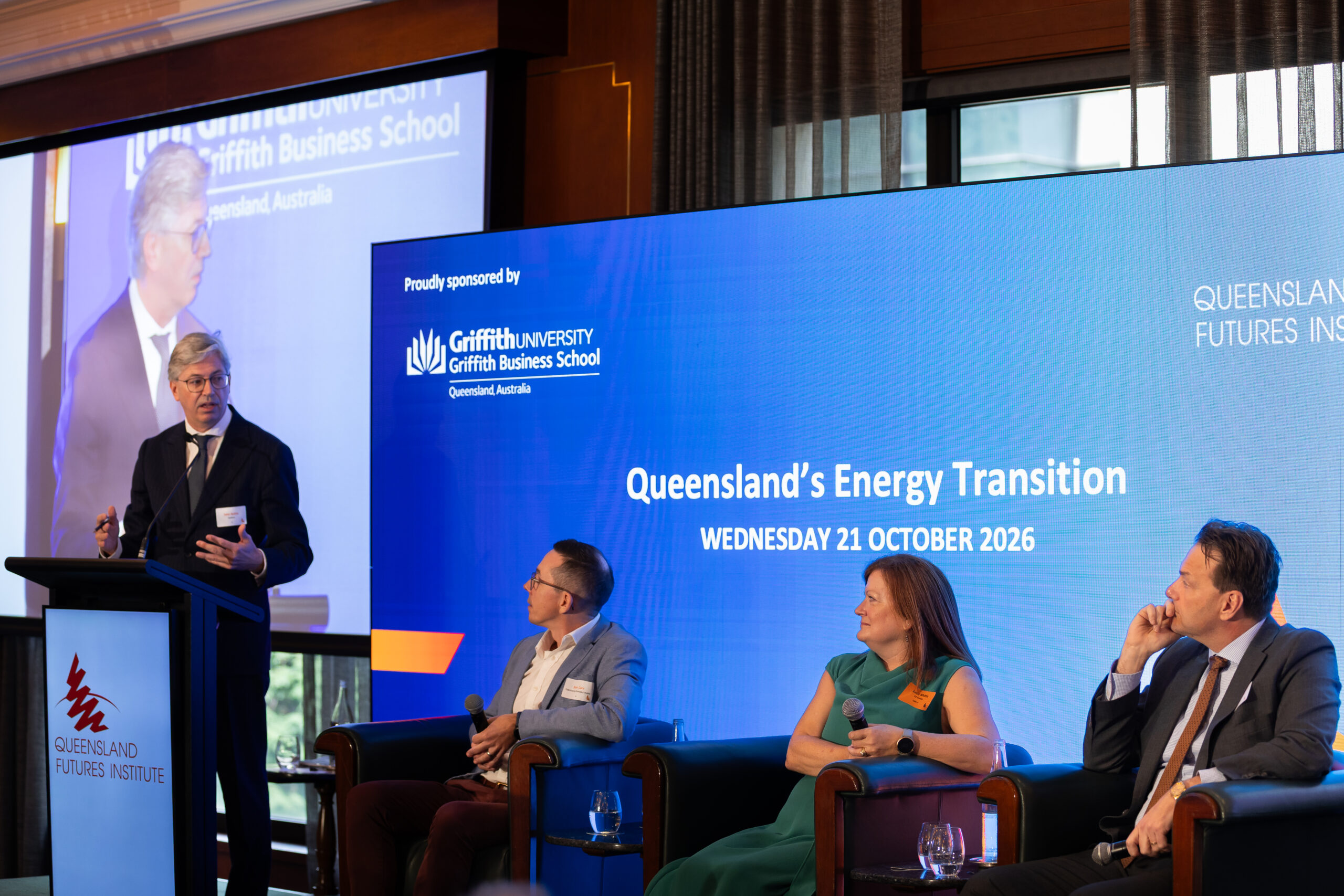
The promise of cheaper electricity from the energy transition has not transpired, an energy forum in Brisbane was told today.
Instead, Australians face a growing divide between those who can afford new energy technologies and those who cannot.
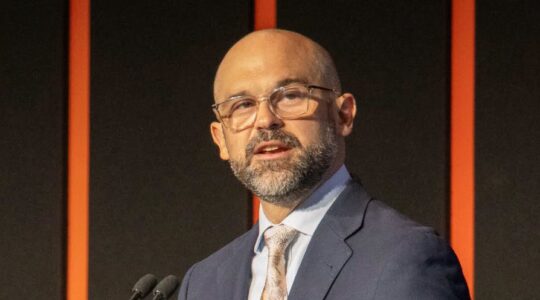
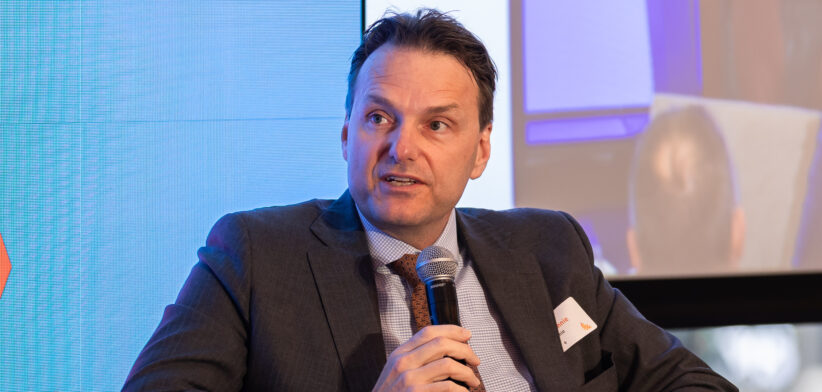
Energy consultant Matt Rennie told the Queensland Futures Institute energy transition forum that, overall, the transition to net zero was never going to cut costs for consumers.
He said the costs of the transition were increasingly being borne directly by households, raising major social equity issues.
“The thesis that was created 10 years ago was that net zero would be a least cost proposition, and that was a policy error. It was never going to be,” Mr Rennie, the Executive Director – Capital Advisory of the Rennie group, said.
“Renewables are more expensive than coal, not because renewables are expensive, but because coal is quite cheap.
“And as we move into a new way of generating power, we need to deal very carefully with the fact that average prices may rise.”
Mr Rennie estimated that Australian households were already spending between $2 billion and $3 billion annually on their electricity supply, meaning traditional electricity price indicators did not capture the full cost of energy provision.
“In the olden days, it all used to be paid for by someone else,” he said. “Now we (households) are paying for a large proportion of it.”
Mr Rennie said higher power prices disproportionately affected lower-income households.
“The main thing for us all to bear in mind there is that it’s harder for poor people to afford power as prices rise,” he said.
“So this is an equity problem we need to deal with, and it needs to be designed carefully.”
Transition benefits not available to everyone
Mr Rennie said there was a widening divide between households able to invest in technologies such as rooftop solar and electric vehicles and those unable to afford them.
He said the assumption that electrification was within reach of ordinary Australians did not reflect the circumstances of renters and lower-income households.
“But this issue of inequality and the impact that has on society is really just beginning, in my view,” he said.
“And part of that is because we have sold a narrative that the energy transition will be less cost, and that’s created expectation.”
He said previous research by his organisation into electric vehicle adoption found early buyers were significantly older and wealthier than average Australians.
Mr Rennie also raised concerns about the relationship between rising electricity costs, mental health and wider social disadvantage.
He said energy policy needed to consider the impact on the broader community rather than treating generation, transmission, distribution and retail as separate issues.
Refinery attacks accelerating electrification
Mr Rennie said geopolitical instability was adding to the complexity of the transition, particularly through attacks on oil refineries and their impact on global fuel supplies.
He said he had initially been concerned that disruptions around the Strait of Hormuz would cause regional gas prices to rise sharply, but the more significant issue was the damage being caused to refining capacity.
“The fact that they keep blowing up refineries means that the available refineries in the world, which are finite and take seven or eight years to build, now have increasing amounts of capacity and decreasing amounts of spare capacity other than in China,” he said.
“Now what that means is that fuel prices will continue to rise, which in turn accelerates electrification.”
Australia has the cards to play
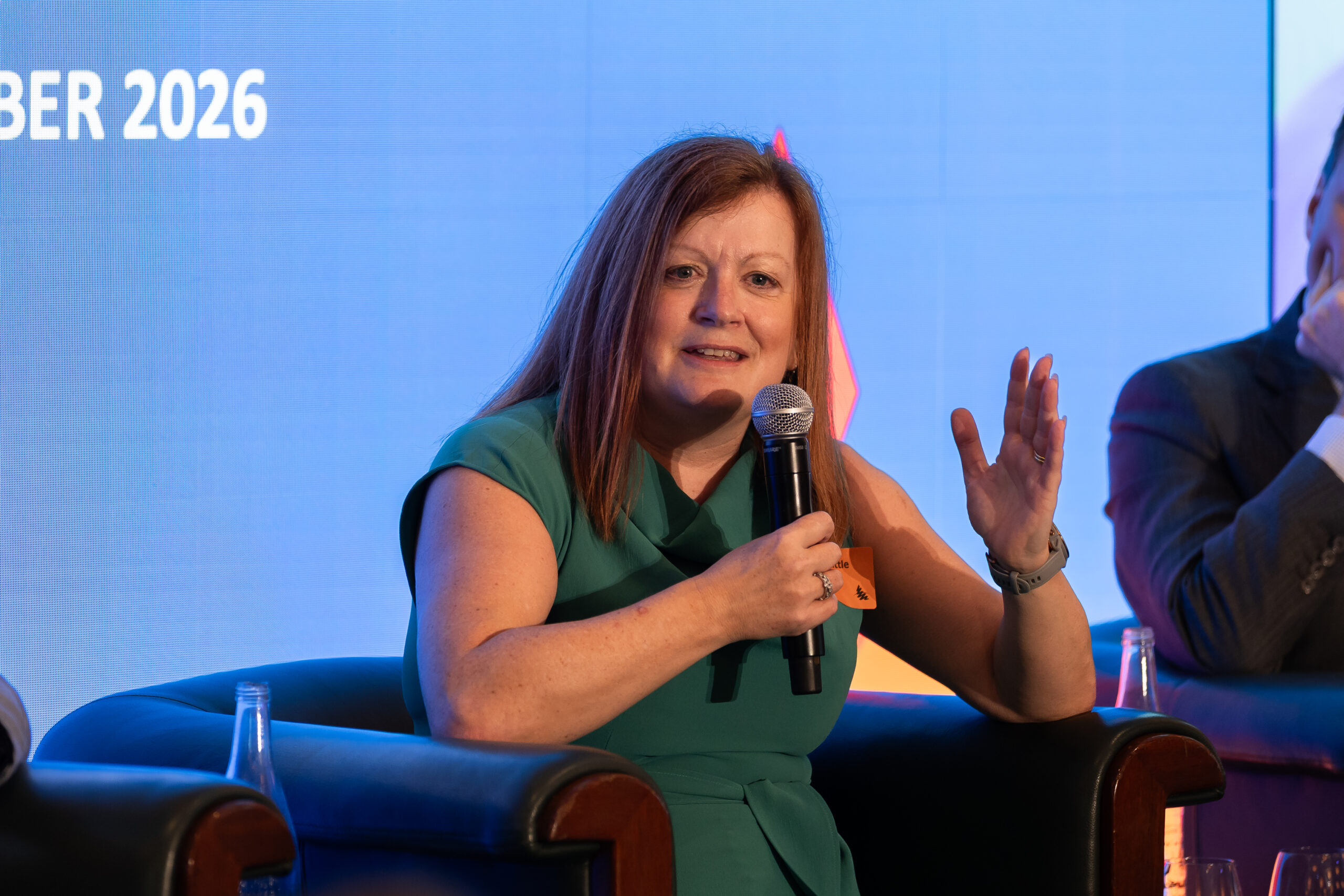
CS Energy Chief Energy Transition Officer Katie Whittle said Australia was exceptionally well placed to capitalise on its natural energy resources.
Ms Whittle said international energy scenarios showed Australia ranked among the world’s top five countries for solar, onshore wind and geothermal potential, and first for offshore wind potential, measured by total resource volume rather than per capita.
However, she said some of the country’s geothermal resources were in locations without the infrastructure or industry needed to make them commercially useful.
“So there are so many resources that Australia is very fortunate to have, including all of our fossil energy resources as well,” she said.
“So we have the cards to play. It’s just how we play them.”
Big decisions cannot wait
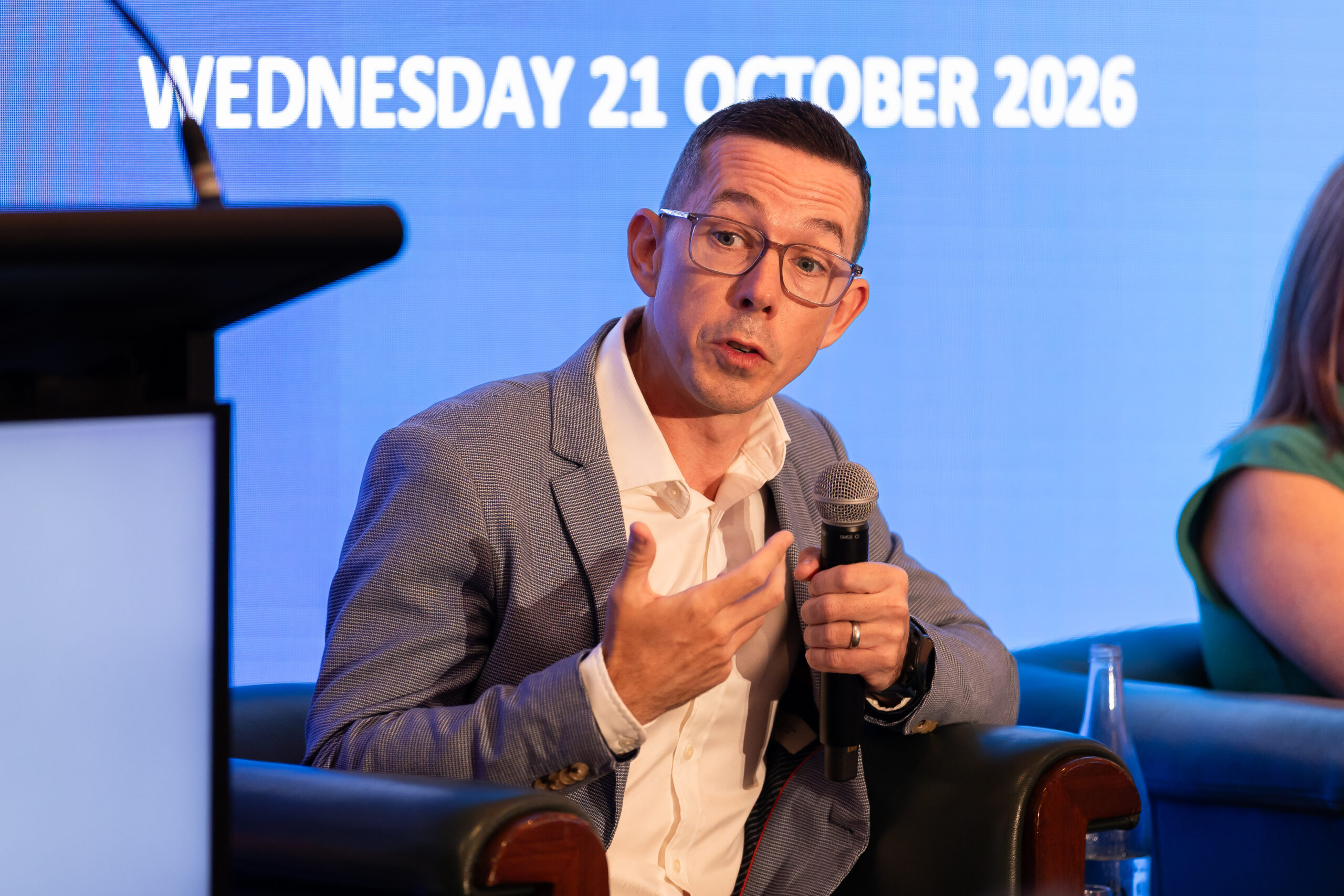
Capricornia Pumped Hydro Project CEO John Carr said governments and industry needed to recognise that major infrastructure projects took much longer to deliver than was often assumed.
He said planning, approvals, procurement and construction meant decisions about the energy system needed in 2035 and 2040 were already urgent.
“Time is the most incompressible thing in the world. We cannot buy it, we cannot farm it, we cannot export it, we cannot import it,” Mr Carr said.
“We always assume we can do them much faster than we can.”
Mr Carr said community acceptance was also critical, pointing to opposition to gas developments, wind farms and battery projects in Queensland.
He said further expansion into data centres would require careful consideration of where infrastructure was located and its impact on surrounding communities.
“I think we need to be conscious of the people element, because people makes a big difference to how you do projects in Queensland, no matter what you’re building,” he said.