Australia’s minimum wage has risen above $1000 per week for the first time, with 2.7 million workers being granted a pay increase.
The Fair Work Commission increased modern award wages by 4.75 percent and the National Minimum Wage by 6 percent from July 1, 2026 in its annual review handed down yesterday.
The decision means the National Minimum Wage will increase from:
$24.95 to $26.44 per hour
$948.00 to $1,004.90 per 38-hour week
$49,296.00 to $52,254.80 per year.
The Fair Work Commission Expert Panel said the decision had been particularly challenging because of the degree of complexity of issues in the economy.
Modern Award employees predominantly work part-time hours, are in female-dominated industries, and a majority are casuals.
Federal Minister for Employment and Workplace Relations Amanda Rishworth welcomed the decision.
“This is needed cost of living help for the minimum wage and award-reliant workers, many of whom are in lower-paid roles, work fewer hours, and have fewer financial buffers to fall back on,” she said.
Treasurer, Jim Chalmers said the pay rise was needed and deserved by workers.
“This is the sustainable real wage increase that we called for in our submission to the Fair Work Commission,” he said.
“This decision means the minimum wage is now $12,079 higher per year compared to when we came to government.”
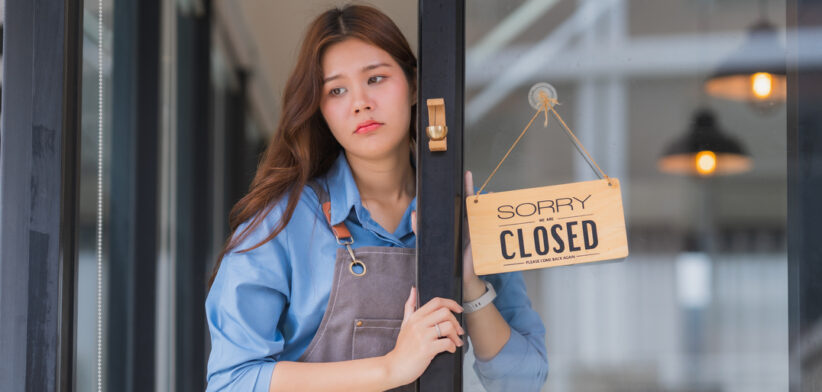
Australian Restaurant & Cafe Association condemned the decision, saying it was blind to the plight of the hospitality industry.
It said the decision fell “dangerously short” of balance between business and employee needs.
“The hardest truth in hospitality is that restaurants do not print money – they create jobs,” association CEO Wes Lambert said in a statement.
“When minimum wages rise 4.75 percent but productivity, consumer spending and operating conditions do not rise alongside them, the result is fewer opportunities, fewer trading hours and fewer businesses able to survive the next financial year.”
Mr Lambert said the Annual Wage Review risked becoming “less a wage-setting mechanism and more a job-destruction mechanism”.
Australian Industry Group CEO Innes Willox said the decision would impose a significant burden on businesses at a time of growing cost pressures and prolonged uncertainty.
“Australian employers are facing a very difficult outlook, with the continuing energy crisis weakening the economy while driving business costs higher,” he said.
“We know conditions will worsen in coming months as the full effects of the crisis come to fruition.”
Mr Innes acknowledged that the Fair Work panel had rejected a union push to raise award wages well above what he believed would be a temporary inflation spike.
“However, the impact of the decision will be very hard to bear for businesses under pressure,” he said.
“For many businesses this will be a confronting number to contemplate. Outside of pandemic-affected years, this is the highest increase awarded in the era of the Fair Work Act.”