Major department stores have been in a constant battle for survival since the 1970s as they ride regular waves of social and economic change, an Australian retail historian says.
Macquarie University Associate Professor Dr Matthew Bailey said the big stores first encountered trouble when their relationship-service model disappeared and was replaced by a focus on financial efficiency.
“For decades, Australia’s biggest department stores sold service, style and experience, but the model was built on something far less sustainable, and businesses can no longer paper over the cracks,” Dr Bailey said in an article published on the university website.
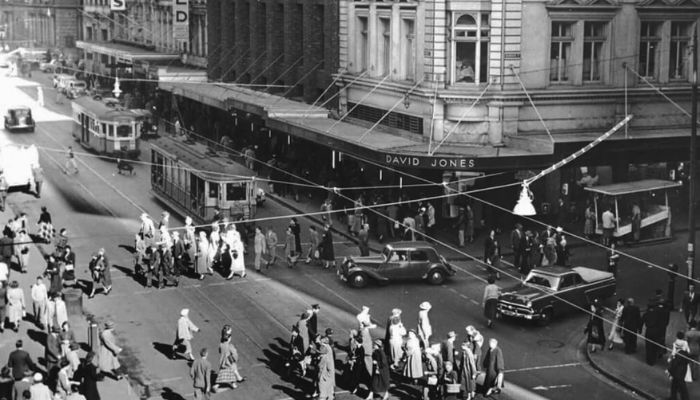
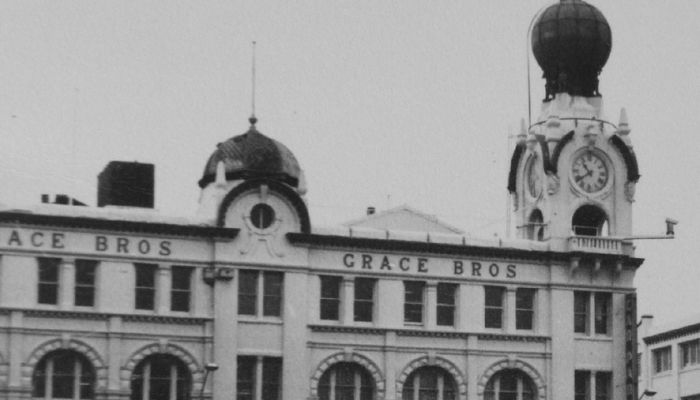
He said David Jones (founded in 1838) and Myer (originally Grace Brothers in Sydney founded in 1885) seemed to be on the brink of extinction on many occasions since the 1970s but have repeatedly found ways to adapt.
David Jones made a $74.4 million loss in 2024 and has recently extended its supplier payment terms to 60 days, while Myer has announced the closure of its flagship suburban Sydney store in Roselands.
“One of the things that gets missed in the media coverage of department stores, is that their challenges go back a long time,” Dr Bailey said.
The 1969 introduction of equal pay laws began fundamentally reshaping the department store model which relied mostly on female labour who were paid around 54 percent of the male wage.
Staff were increasingly casualised, and the model built on relationships, quality and care became harder to sustain financially.
“Emotional and aesthetic labour was a real skill set, but it wasn’t factored into wages,” Dr Bailey said.
“There were detailed guidelines on appearance, how to approach customers, how to greet them, and how to be courteous, along with strong product knowledge.
“These stores employed thousands of long-term career workers, and were described as ‘families’. That doesn’t mean they were perfect workplaces, but there was a strong social world around the job that largely no longer exists.
“Stores sponsored theatre groups and choirs, charity organisations, tea rooms, end-of-year balls, parties and sporting teams. The workplace was integrated into community life.”
Along with the new labour laws came new competition.
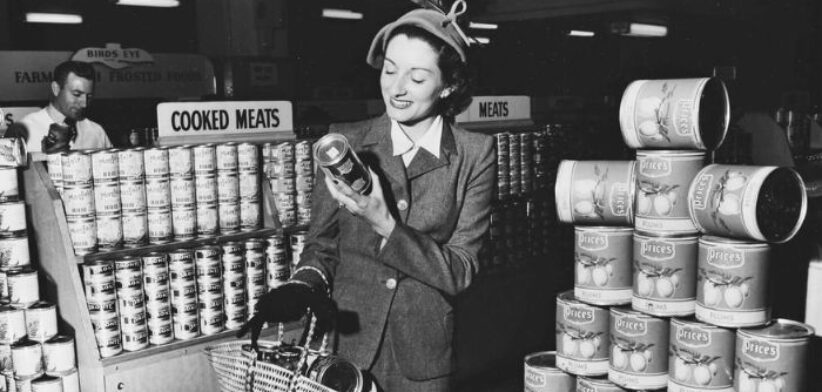
“Specialty stores became more widespread and professionalised, and discount department stores were introduced. Think Kmart, Target and Big W. Kmart arrived in 1969, and these formats expanded through the 1970s and 1980s.
“When competitors sell similar goods much cheaper, department stores either reduce prices or protect margins by cutting labour. That is the beginning of a long change.”
Dr Bailey said department stores were unlikely to vanish completely, but they were no longer the social and economic anchors they once were.
“They’ll probably be around for a while,” Dr Bailey said. “But we can see them shrinking in store numbers and floor space.”