By Shane Rodgers
In 1966, Hollywood created a unique, genre-jumping television juggernaut that still holds a unique place in popular culture.
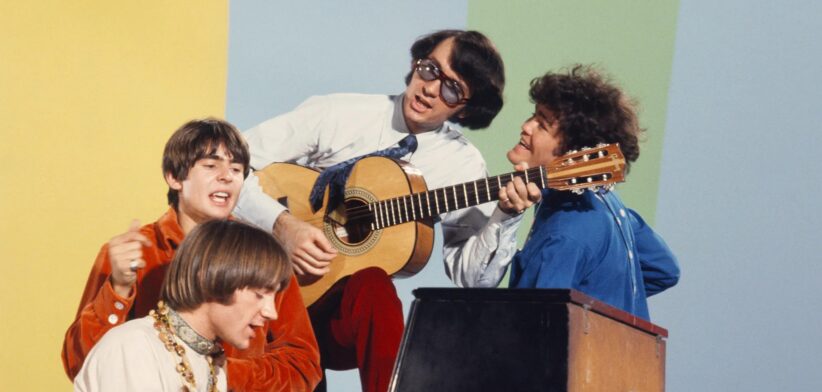
The Monkees were a made-for-television band inspired by The Beatles’ A Hard Days Night film.
Over the years the fictitious group became a real band and kept having hits over many decades, including a mega comeback in the 1980s off the back of a Monkees marathon on MTV.
As “Monkeemaniacs” around the world celebrate the group’s 60th anniversary next month, new Monkees products continue to be launched.
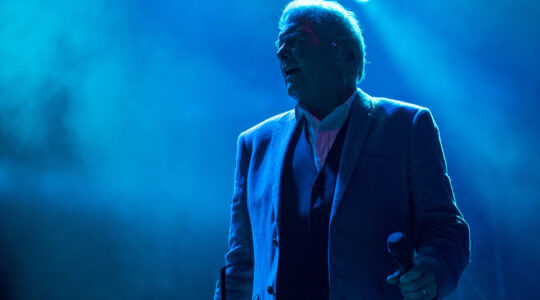
The last surviving Monkee – Micky Dolenz – is still touring. This week he announced he would be touring Australia again in May 2027 with his 60 Years of The Monkees show. The tour includes two Queensland shows – at QPAC in Brisbane and at HOTA on the Gold Coast. Tickets are on sale from August 27, 2026. The link to all the tour venues is here.
The creation of a television show
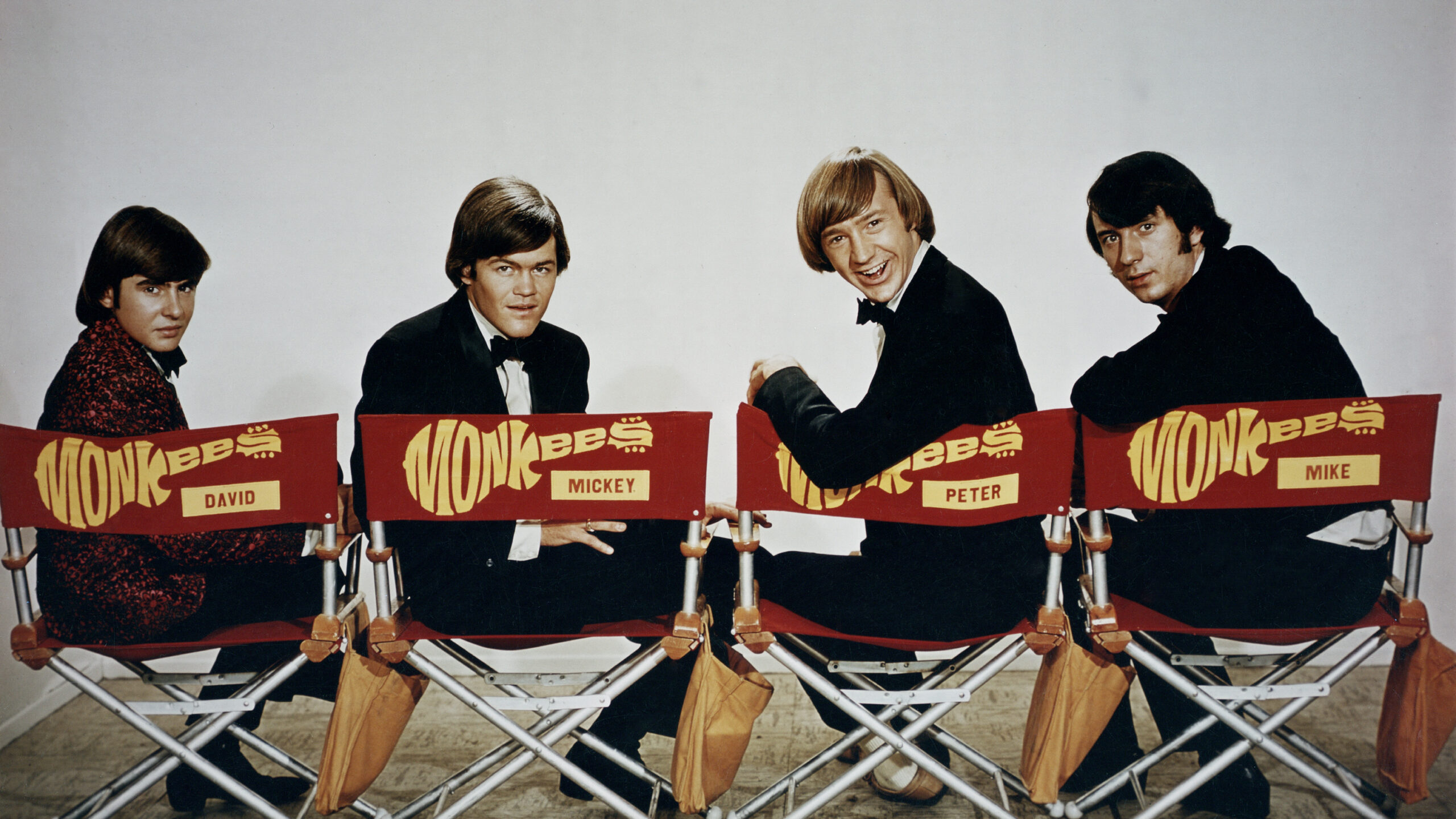
The Monkees television show, featuring Dolenz, Davy Jones, Michael Nesmith and Peter Tork, debuted in 1966 and ran for two seasons.
It depicted a fictitious struggling rock band – but used the real names of its stars.
The show had moderate success (although it did win an Emmy) but the music showcased every week became a music phenomenon.
The hits kept coming
In 1967 the group held the top spot on the Billboard album chart for 31 consecutive weeks with its first two albums – The Monkees and More of the Monkees.
Later albums Headquarters and Pisces, Aquarius, Capricorn & Jones Ltd also topped the charts, as did the singles I’m a Believer, Daydream Believer and Last Train to Clarksville.
There were sold-out concerts all over the world (including Australia) and the group was met by thousands of scream fans – prompting the concept of Monkeemania.
The hitmaking machine
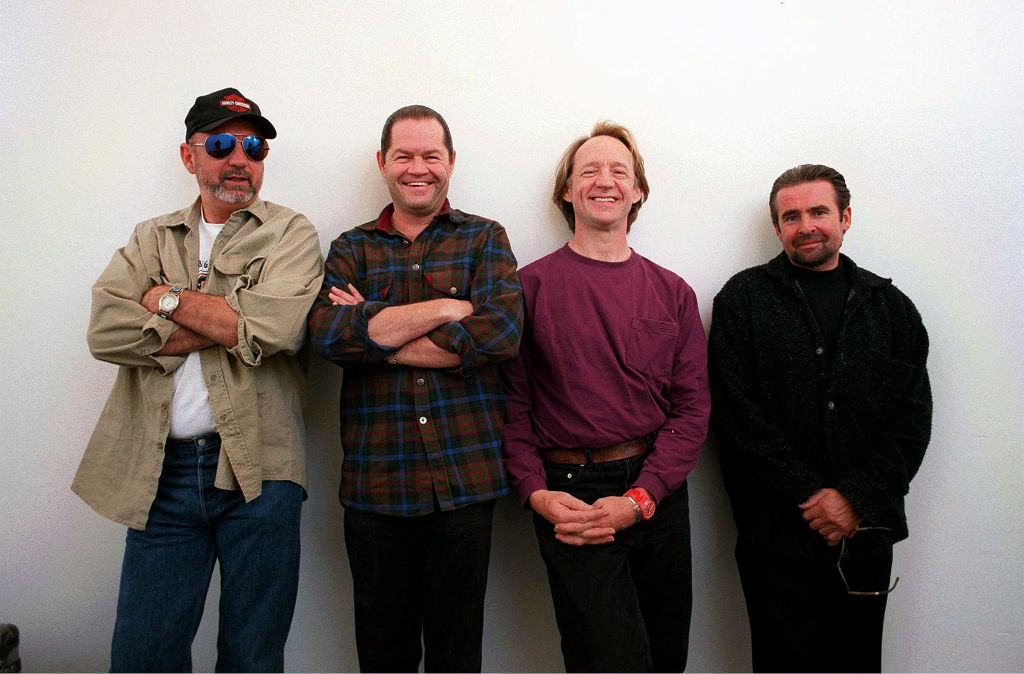
The music came largely out of the Colgems Records hitmaking machine, led by legendary “magic ear” Don Kirshner, which had writers like Carole King, Neil Diamond, Tommy Boyce and Bobby Hart on tap to produce hit songs.
Since their creation, The Monkees have sold more than 75 million records, and sales still continue today.
The music, which featured the voices of the actors (in the early days mostly backed by session musicians) defied conventional notions of “groups”. And that came at some cost.
The Pre-Fab Four backlash
The incredible success sparked debate about whether a group that had not been through the rigour of playing in the proverbial garage and grinding through gigs, could be considered a real band.
They were dubbed the “Pre-Fab Four” (as a contrast to the “Fab Four” Beatles).
The group were unusual in many ways. They were mostly hired as television actors, but all had genuine, but highly diverse musical talent.
Nesmith already had some success as a singer-songwriter (including writing Different Drum for Linda Rondstadt) and was later credited as one of the early pioneers of country rock.
And, of course, his mother invented liquid paper and Nesmith devised the early version of MTV.
Tork was an accomplished musician with a bent towards folk, and Jones was an established musical theatre identity who had experienced minor chart success.
Dolenz was mostly known as a child actor in the Circus Boy series but proved to be remarkable adaptable to music – learning the drums (“it’s not brain surgery”) and displaying silky-smooth rock-pop vocals and songwriting prowess.
At the time, Dolenz regularly said in interviews that he was an actor hired to play a singer and was “no more a Monkee than Leonard Nimoy was a Vulcan” – a reference to Nimoy’s Mr Spock character in Star Trek.
But then things changed.
The TV group that came to life
The early 70s was a relatively low time for Monkeedom, but the television show continued to quietly syndicate into children’s television viewing.
Hundreds of thousands of children from the 1960s, 1970s and 1980s grew up with Monkees humour and music deeply embedded in our psyche.
The show also ended up finding a massive new audience in Japan.
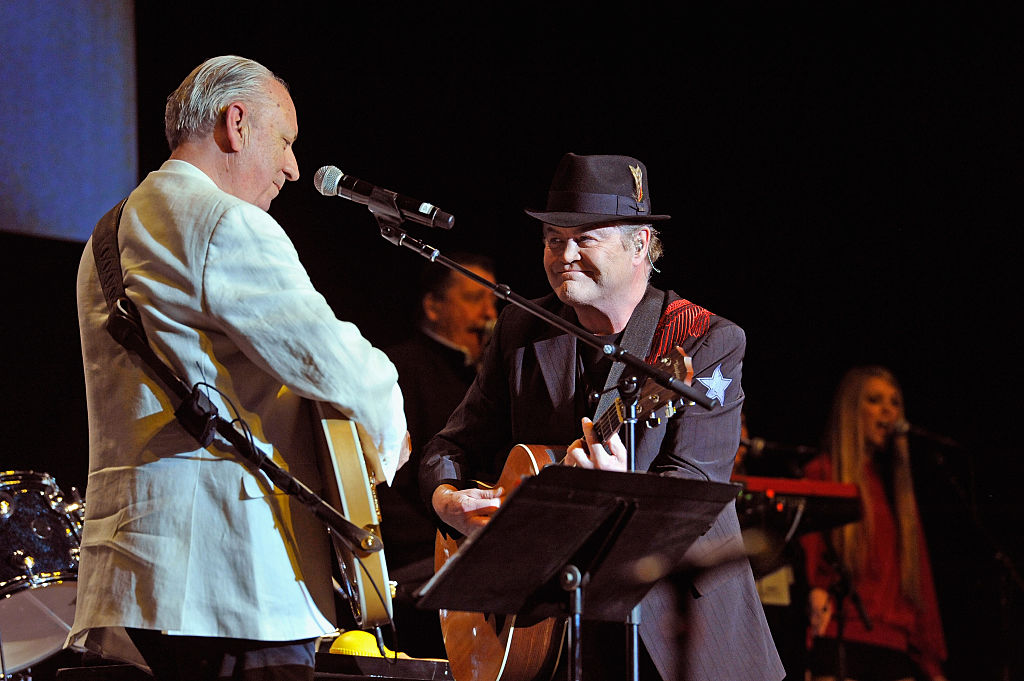
After some ad-hoc reunions and tours by members of the group – including the formation of the group Dolenz, Jones, Boyce and Hart for a couple of years, the big Monkees resurgence came in 1986.
Monkeemania part two
MTV played a 24-hour Monkees marathon and Rhino records reissued all of the original albums. Most of the albums recharted, new music was recorded and Monkeemania was off again.
The band scored a top 20 hit with the apt That was then, this is now and the band toured to packed venues (mostly just Dolenz, Jones and Tork or some combination of the three).
And that was far from the last gasp of Monkeemania.
After Jones died of a heart attack in 2012, the remaining members were prompted to work on another album project.
One more for Davy
This one was special. They approached some of the best writers in the industry (just as the TV show producers had done in the 1960s) to produce the Good Times album.
As it transpired, many of today’s great rock writers were happy to take part. Many of them credited watching The Monkees TV show as kids with sparking their interest in music.
Good Times peaked at number 14 in the US albums charts in 2016. It featured all of the living Monkees (and a track out of the vault from Jones).
Monkees fans unite
Over the past 20 years the advent of the internet has allowed Monkees fans scattered around the world to form online communities, where they cluster and share stories, collections and recollections.
This has created a Monkees marketplace in which Rhino Records and 7a Records continue to release beautifully-packaged solo and group music from the Monkees. Some of these repackages have deliberately coincided with the 2026 60th anniversary celebrations.
In one of his more recent interviews, Michael Nesmith – often the reluctant Monkee in the reunions – described the group as being like a Pinocchio doll that became a real boy.
Sadly, Peter Tork died in 2019 and Nesmith in 2021.
At 81, Micky Dolenz continues to release new music and perform to sell-out venues.
The Monkees legacy
For Monkees fans, the 60th anniversary is a profound reminder of something that began in childhood and somehow provided comfort and a safe, fun and stress-free place to retreat to in adulthood.
The show and its music have left a lasting imprint in the pop culture landscape, even as the era fades and the people age or pass away.
Despite a few valiant efforts to replicate The Monkees phenomena, it remains a genuinely unique chapter in contemporary pop culture.
The Monkees theme song (“Hey Hey We’re the Monkees”), which is probably more familiar to many people than the national anthem, always ended with “so you’d better get ready – we may be coming to your town”.
As a child, I always hoped they would come to our town. Many years later they did. And it was fun.
“Hey Hey we’re the Monkees, the people say we monkey around, but we’re too busy singing to put anybody down.” Not a bad thing.
A Monkees 60th anniversary celebration will be held at the Mermaid Waters Hotel on Queensland’s Gold Coast on September 12, 2026. Details are available here