Queenslanders are among the most pessimistic people in the country when asked about Australia’s ability to overcome the housing crisis.
A new national housing
Study urges focus on longer walks, not step totals
Regular walks of more than 10 minutes may be more beneficial than the much-publicised 10,000 steps a day target.
New global research, led by the University of Sydney and
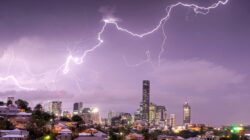
Sunday storms deemed “significant’ by Insurance Council
Sunday’s wild storms that wreaked havoc across south-east Queensland have been declared a Significant Event by the Insurance Council of Australia (ICA).
ICA CEO Andrew
Tolerance for commuting grows as travel times top an hour
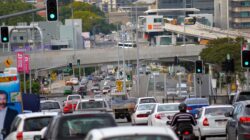
The average Aussie is now spending more than hour commuting to and from work each day, with travel times busting the 60-minute mark over the past three years.
New data
Lifestyle trumps drastic weight loss in fertility stakes
Weight loss, by itself, is not enough to boost male fertility, according to a new Australian study.
University of Adelaide researchers have analysed 32 global studies
Risks loom as “infrastructure of the sky” reaches end-of-life
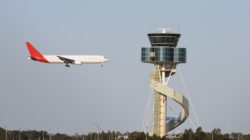
A $40 billion investment in Australian airports is at risk of being under-utilised as a “largely invisible” piece of infrastructure approaches the end of its
Cybercriminals circle Brisbane 2032 construction boom
The large pipeline of construction activity in Queensland offers a tempting target for cybercriminals.
With figures of around $200 billion worth of committed and
Deputy Commissioner Chelepy retires after 40 years
A senior police officer who guided Queensland through a range of natural disasters, and stepped up to guide the Queensland Police Service (QPS) for a short time, is
Demand for First Nations crisis support helpline surges
A dedicated helpline for Aboriginal and Torres Strait Islander people is taking more than 100 calls a day, with a push on for an expanded service.
Lifeline’s Head of
New biomarker helps to better target ovarian cancer
Australian researchers have found a better way to target one of the world’s most deadliest cancers.
Scientists from the University of South Australia (UniSa) and