One of Queensland’s best-known ecotourism destinations, Binna Burra Lodge, has reopened seven years after being destroyed by bushfires in the Gold Coast hinterland.
The rebuilt lodge, in the World Heritage-listed Lamington National Park, has welcomed its first overnight guests.
The redevelopment is expected to attract an additional 50,000 visitors annually and generate almost $11 million a year in overnight visitor spending.
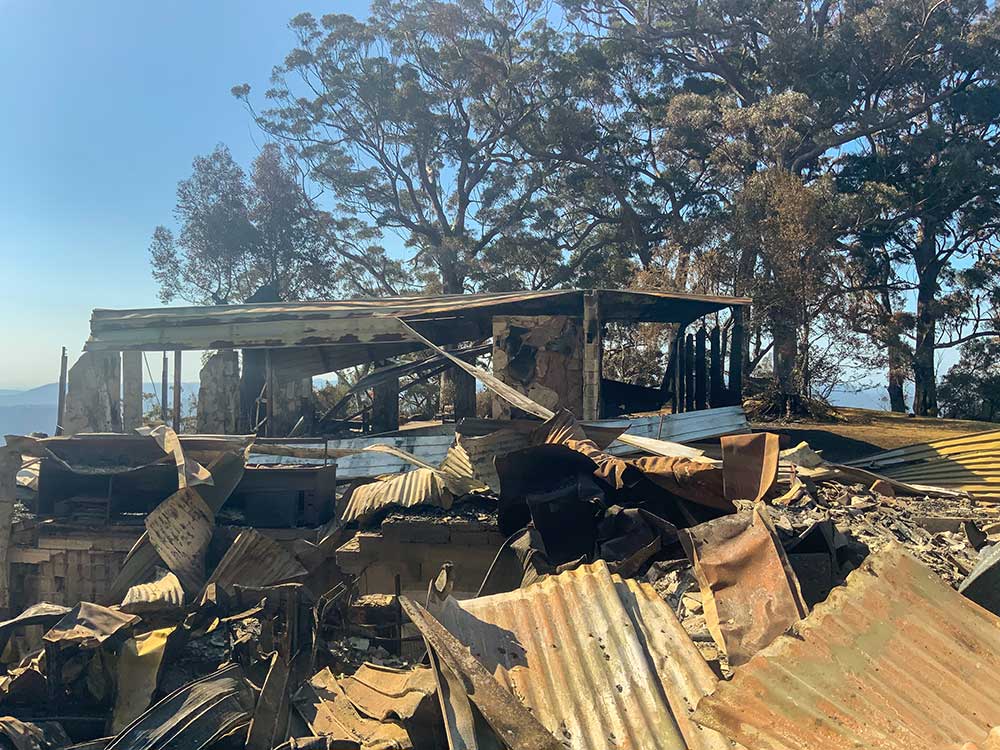
The original heritage-listed lodge was destroyed by bushfires in September 2019, along with 42 of the property’s 43 cabins.
Binna Burra, which was established in 1933, has been progressively rebuilding its tourism operations since the disaster, with its Tea House, camping facilities and other accommodation reopening over recent years.
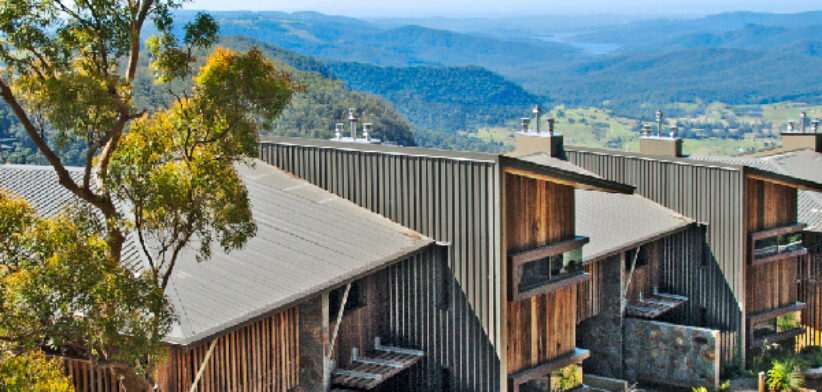
The latest opening restores the main lodge accommodation, with contemporary rooms, private balconies and facilities designed to improve resilience in a bushfire-prone environment.
The new lodge includes accommodation for couples, families and small groups, with access to rainforest walking tracks and other activities in Lamington National Park.
Queensland Environment and Tourism Minister Andrew Powell said the reopening was an important milestone for the region.
“The return of Binna Burra Lodge is a powerful symbol of recovery, resilience and the enduring appeal of Queensland’s world-class natural attractions,” Mr Powell said.
“This reopening is a testament to the determination of the Binna Burra team and everyone who played a role in rebuilding this iconic destination after the devastating 2019 bushfires.”
The $18 million rebuilding commitment was first announced in June 2022, with funding provided through the Queensland Government’s Regional Tourism Recovery Program.
The project has faced a series of challenges, including the COVID-19 pandemic, severe storms in 2023 and Cyclone Alfred in 2025.
Binna Burra Board Chair Steve Noakes said the reopening marked a significant change for the organisation.
“Welcoming back our first guests brings a collective relief combined with a profound sense of closure and renewal after a serious of severe weather impacts on Binna Burra over the past seven years,” Mr Noakes said.
“The transition marks a psychological shift from survival and constant response and recovery modes to a sense of organisational stability.
“The Queensland government has recognised this place as worth protecting on the public’s behalf – a meaningful site whose recoveries serve a broader public interest, not just a private one.”