The first manned mission to Mars is looking increasingly viable with new research showing the human heart can handle long periods of weightlessness.
A new study tracked heart function in 13 astronauts before, during and after space missions.
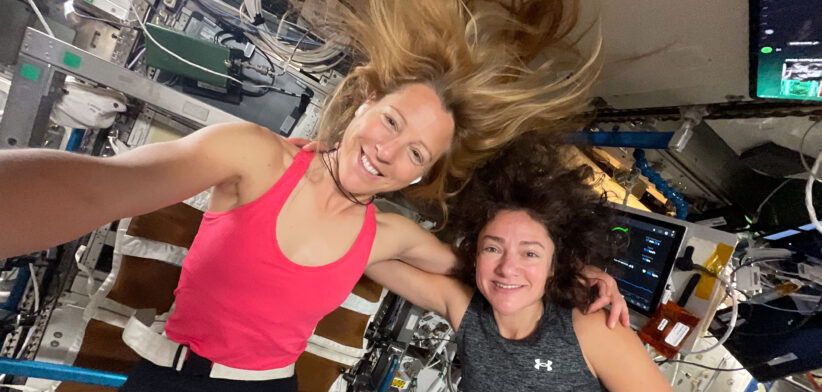
The astronauts exercised up to two hours a day in space to counter the effects of weightlessness.
While cardiac function dipped at the start of missions, it gradually returned to preflight levels.
The study led by Northwestern Medicine, UT Southwestern and UT Houston tracked the astronauts during six-month missions on the International Space Station.
It was designed to addressed questions on whether cardiovascular systems could handle the transition from weightlessness in spaceflight (known as microgravity) to arrival on a planet where gravity is about one-third as strong as on Earth.
“The new study found that the astronauts adapted well to microgravity during spaceflight – thanks to intense daily workouts – and showed no major signs of cardiovascular strain under simulated Martian gravity upon their return from space,” he study report said.
Northwestern University Feinberg School of Medicine study senior author Dr James Thomas said the findings suggested humans could fly to Mars and work on the surface.
“Many astronauts returning from previous space missions struggled with dizziness and lightheadedness upon standing up when re-entering a gravitational environment,” the study report said.
“But the astronauts in this study largely tolerated the transition thanks to their daily exercise regimen.
“Following a NASA program called Exercise Countermeasures, they worked out for up to two hours a day, including 30 to 45 minutes of endurance exercise and 60 to 75 minutes of resistance training.”
The study was published in the journal Circulation.
More information is here