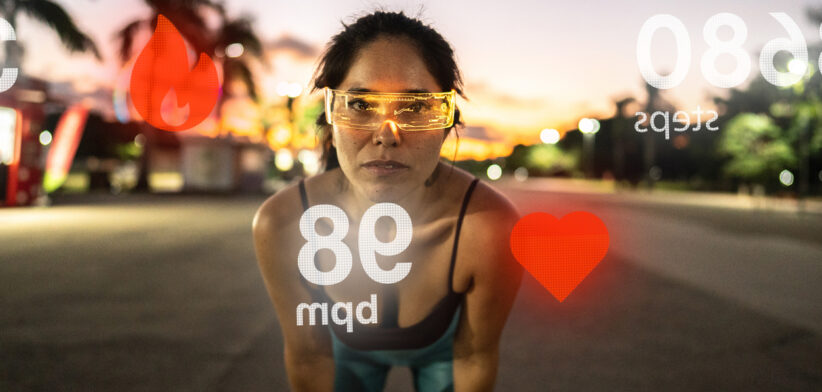
Wearable technology is one of Australia’s most popular preventative health tools, with one in three tracking their activity.
Fitness and activity tracking platforms such as Fitbit, Apple Health, and Strava are the most popular, ahead of telehealth, medication, and nutrition apps according to the latest Bupa Pulse Check.
The survey of 2000 Australians found 45 percent of people aged 40 and under are monitoring their health and fitness using apps or wearable devices, compared to 29 percent aged 50 and above.
Two-in-three respondents said the most valuable feature in a health and wellbeing app was the ability to track sleep, physical activity and nutrition.
The Australian wearables market is expected to grow 12.5 percent annually – from US$4.49 billion in 2026 to $8.09 billion by 2031.
GP and Bupa Clinical Innovation General Manager Dr Janice Tan said wearables could support more informed conversations with healthcare professionals, but should never be used to self-diagnose or replace professional medical advice.
“As A GP, I’m seeing more patients come in with health data from their smartwatches and fitness trackers,” Dr Tan said.
“Recently one patient was worried about their high resting heart rate, but after looking into it a little deeper, we discovered the issue was actually dehydration, which can affect heart rate and other health conditions.”
“This real-time information is not only helping people make healthier choices every day, but also giving clinicians valuable insights that can help uncover underlying health issues.”
Health and wellbeing apps Australians use:
33% – Fitness or activity tracking (e.g. Fitbit, Apple Health, Strava)
16% – Digital GP or virtual health consultations (e.g. Blua, HotDoc)
15% – Meditation or mindfulness apps (e.g. Headspace, Calm)
13% – Nutrition or diet tracking apps (e.g. MyFitnessPal, Noom)
Most valuable features in a health and wellbeing app:
66% – Tracking physical activity, sleep or nutrition
51% – Earning rewards or incentives for healthy behaviour
50% – Getting trusted health information and advice
49% – Managing or tracking mental health and stress levels
45% – Receiving personalised recommendations to improve health
*Source: Bupa Pulse Check 2026