One night of testing may not be enough to correctly diagnose sleep apnoea, according to new research.
Obstructive sleep apnoea is a common disorder in which breathing repeatedly stops and starts during sleep and is generally found with snorers. It is linked to serious health risks including cardiovascular disease, diabetes and reduced quality of life, yet remains difficult to accurately diagnose.
The long-standing reliance on one-night sleep studies can lead to missed or incorrect diagnoses because of nightly variations, according to the study by Flinders University.
A more accurate approach, the researchers argued in npj Digital Medicine, would be to analyse sleep over multiple nights.
The researchers conducted a prospective clinical trial involving 100 adults referred for suspected sleep apnoea, comparing the standard one-night laboratory test with repeated measurements of sleep across several weeks.
The findings showed sleep apnoea severity can vary substantially from night to night, meaning a single test may not reflect a person’s true condition.
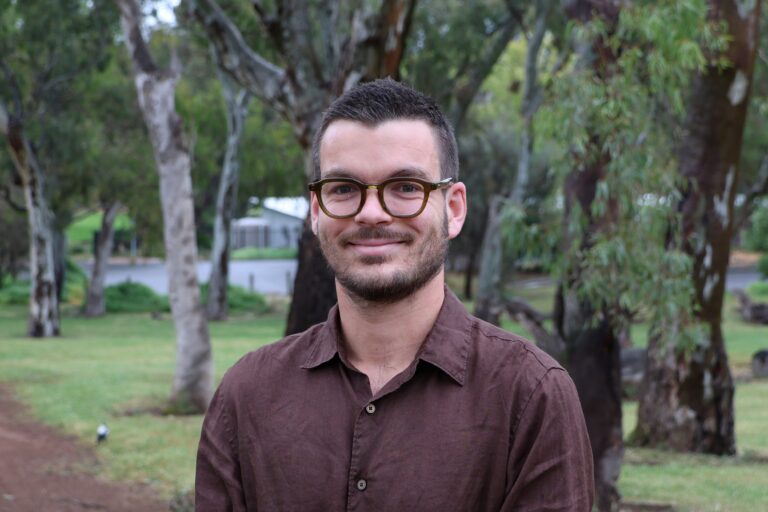
Study lead author and sleep expert Dr Bastien Lechat from FHMRI Sleep Health said the research highlighted a fundamental limitation with current diagnostic approaches.
“If you only measure it once, you may not capture the true severity of the condition,” Dr Lechat said.
“In some participants, we saw clear differences between the single-night result and the average across multiple nights, which suggests current diagnostic approaches may under- or overestimate disease severity in some individuals.”
The research also found patients who were classified differently between single-night and multi-night assessments often had poorer sleep during laboratory testing, suggesting the testing environment itself can influence results.
Previous research has linked high night-to-night variability in sleep apnoea with increased cardiovascular risk, meaning these patterns may help identify patients at greater risk of complications.
“For patients, this means a better chance of getting a diagnosis that truly reflects their condition and for clinicians, it opens the door to more informed and personalised care,” Dr Lechat said.
The full report can be found here.