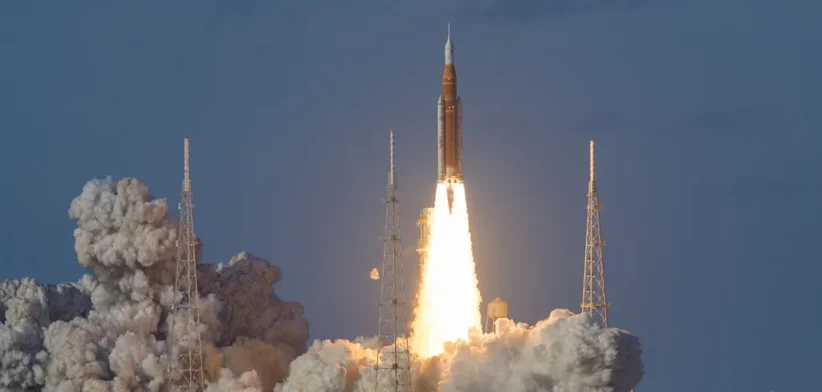
NASA’s Artemis II mission to perform the first crewed flyby of the moon in more than 50 years has launched.
The rocket launched at the Kennedy Space Center in Florida this morning (Australian time) with four astronauts aboard.
NASA Administrator Jared Isaacman said the launch was a defining moment and opened the next lunar chapter after the Apollo missions in the 1960s and 1970s.
“Aboard Orion are four remarkable explorers preparing for the first crewed flight of this rocket and spacecraft, a true test mission that will carry them farther and faster than any humans in a generation,” he said.
“Artemis II is the start of something bigger than any one mission. It marks our return to the Moon, not just to visit, but to eventually stay on our Moon Base, and lays the foundation for the next giant leaps ahead.”
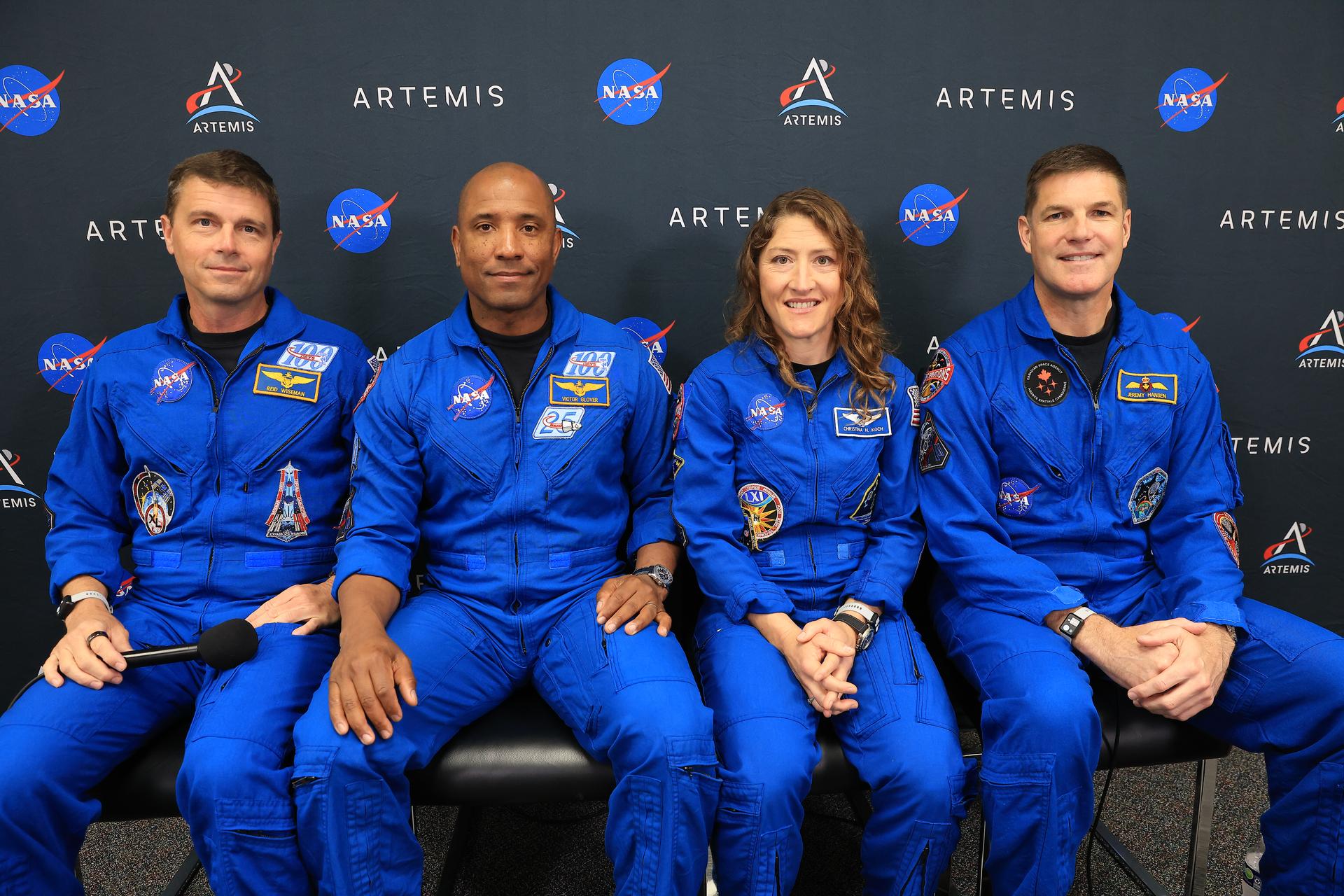
Astronauts Reid Wiseman, Victor Glover, Christina Koch, and CSA (Canadian Space Agency) astronaut Jeremy Hansen will be in space for 10 days.
The mission will demonstrate life support systems for the first time with crew and lay the foundation for an “enduring presence on the Moon ahead of future missions to Mars”.
NASA Associate Administrator Amit Kshatriya said the team would put the Orion craft through its paces so the crews who followed them could go to the Moon’s surface with confidence.
“We are one mission into a long campaign, and the work ahead of us is greater than the work behind us,” he said.
After this morning’s launch, the spacecraft will remain in high Earth orbit for about a day, where the crew will conduct a manual pilot demonstration to test Orion’s handling capabilities.
“During a planned multi-hour lunar flyby on Monday, April 6, the astronauts will take photographs and provide observations of the Moon’s surface as the first people to lay eyes on some areas of the far side,” NASA said.
“Although the lunar far side will only be partially illuminated during the flyby, the conditions should create shadows that stretch across the surface, enhancing relief and revealing depth, ridges, slopes and crater rims that are often difficult to detect under full illumination.”
Following the lunar flyby, the astronauts will return to Earth and splash down in the Pacific Ocean.
NASA will send Artemis astronauts on increasingly difficult missions to explore more of the Moon for scientific discovery, economic benefits, and to build on our foundation for the first crewed missions to Mars.
Follow the latest mission progress, including more images from the test flight, visit: https://www.nasa.gov/mission/artemis-ii/