“Liveable Brisbane” is not so liveable without a car – that’s according to new research which asked 10 car-owning residents to go without their vehicles for 20 days.
The University of Queensland study found none of the participants wanted to switch to car-free living and were “relieved” after completing the experiment because of the city’s sprawling layout and limited public transport.
The participants found the study “disorienting and fraught with mobility difficulties that undermined their quality of life”, School of Architecture, Design and Planning Associate Professor Dorina Pojani said.
“In low-density, sprawling cities like Brisbane, people cannot be expected to permanently give up driving unless there is significant investment in public transport,” Prof Pojani said.
“Living without a private vehicle is too hard and unrealistic for most.”
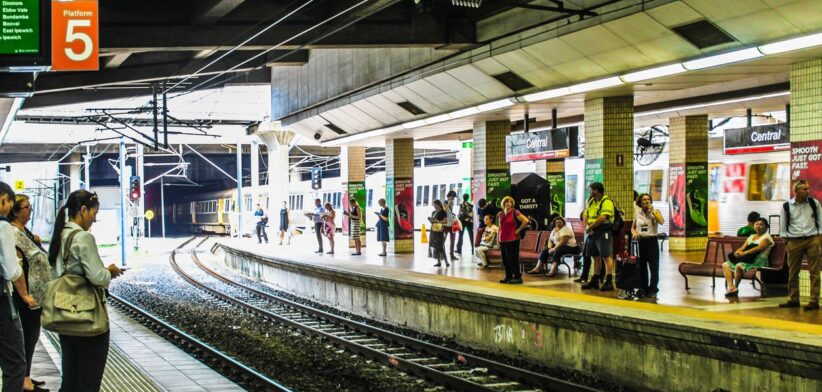
The participants – five men and five women – were asked to follow their regular schedules using only public transport, cycling, walking, micro-mobility devices such as scooters, and taxis and ride-share services in an emergency.
All but one of the participants worked or studied, and most lived within two kilometres of the city centre, with outliers at Manly, Indooroopilly, and Oxley.
Dr Pojani and PhD student Sufian Almubarak devised the car-free study, chronicling the experiences of commuters in Brisbane and Al-Ahsa in Saudi Arabia – two ‘second tier’ global cities of comparative urban sprawl.
“Even with cheaper travel, many people say they can’t rely on public transport alone, and continue to depend on their cars,” Dr Pojani said.
She said parents in the study found that transport to school or for extra-curricular activities could not be easily arranged via alternative modes and had to be delegated to someone else with a car.
Family outings and out-of-town trips which required a car also had to be put on hold.
“Four participants in Brisbane pledged to use public transport for short trips in the inner-city, but all emphasised it was not realistic to give up their cars,” Dr Pojani said.