A senior Queensland business leader has declared 2026 the year to be bold and “get stuff done”.
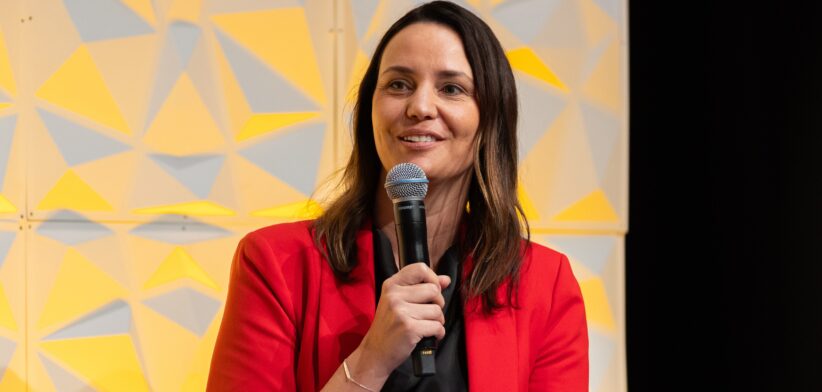
Property Council Queensland Executive Director Jess Caire said it would be much harder to make strong calls on policy and spending when the election cycle was back in play from 2027.
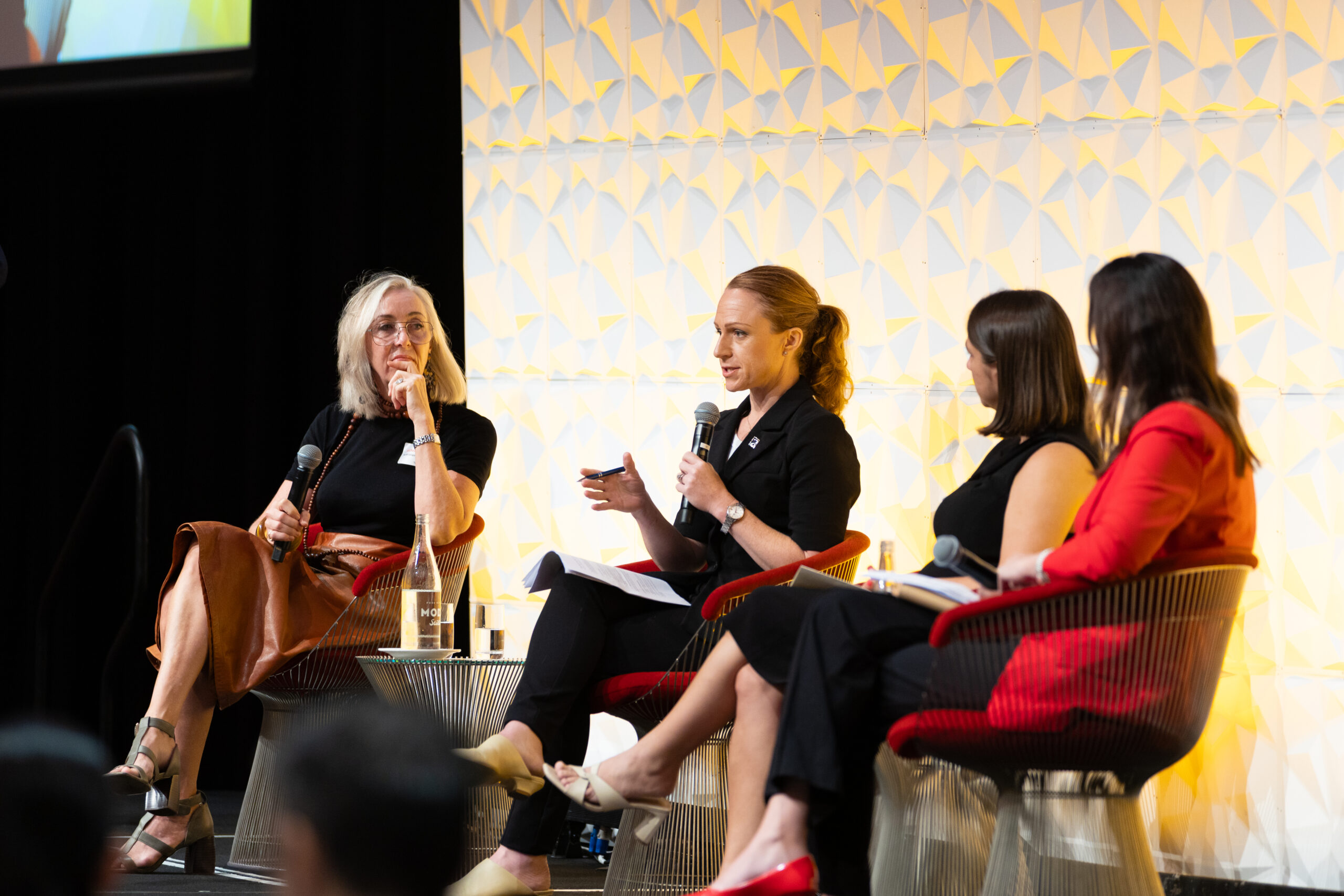
She told the Queensland Futures Institute Policy Leaders Forum that the infrastructure requirements of the 2032 Brisbane Olympic and Paralympic Games should prompt new ways of thinking.
“Where we are at now is giving us the opportunity to be bold and do things differently because we have no option but to deliver those things,” Ms Caire said.
“From a policy point of view and a tangible output point of view the next 12 months are really critical. 2026 is the year to get stuff done.”
Ms Caire said there was a strong willingness by state and local governments to work with industry but it was still “incredibly expensive” to bring online much-needed housing stock, hotels, office space and industrial land.
“For our industry the fundamentals are really strong,” she said.
“Capital wants to come to Queensland. Historically (it) has gone to Sydney and it used to turn left and go to Melbourne. Now it wants to turn right into Queensland.”
Australian Industry Group Queensland Head Michelle Farquhar said workforce skills remained the number one reform priority for businesses who were seeking skilled and adaptable emplpyees.
“Every industry is being impacted by skills workforce shortages,” she told the forum.
“People know that we are on the cusp of a seismic shift in the way we work, the way our enterprises are shaped.”
Ms Farquhar said there was a stronger focus on technology options to lift productivity. Previously many businesses were “sitting on the fence” on AI but there were now indications that they were “leaning in” to that issue.
AgForce Queensland CEO Niki Ford said farmers in the north-west were facing ongoing challenges from flooding last year.
Early estimates suggested more than 100,000 head of cattle had been lost and 4000km of private roads and 3000km of fencing had been destroyed.
“It is diabolical, the impact,” she said. “For some producers this is the third time since 2019 that this has happened.”
Ms Ford said farmers needed access to support that was not too tied up in red tape and there were also significant mental health support requirements as property holders took on more debt to keep their farms afloat.
“While there may be stock loss and productivity loss, there’s years in advance of livelihood that doesn’t exist any more,” she said.
“In two years’ time some producers will just not have an income.”