By Shane Rodgers
Anyone who has experienced a childhood (i.e. everyone) can probably relate to the simple adventures of Charlie Brown, his dog Snoopy and the Peanuts gang.
The cartoon series was created by Charles M. Schulz and, 75 years after it was first published as “Good Ol’ Charie Brown,” it is finding new resonance with kids (and grown-up kids) across the world.
Last month the Sony Group announced it had lifted its stake in the Peanuts franchise to 80 percent. The deal placed the value of the intellectual property (IP) at more than $1.1 billion.
A couple of months earlier, Apple TV announced an exclusive 5-year partnership with Peanuts that included a new series, as well as streaming of classics like “It’s the Great Pumpkin, Charlie Brown,” “A Charlie Brown Thanksgiving” and “A Charlie Brown Christmas.”
The Christmas special was in the top 10 of shows viewed during the festive season.
According to the official Peanuts website, Charlie Brown and friends are still featured in online syndication and in thousands of newspapers worldwide.
They have inspired “theme park attractions, public art projects, and every kind of consumer product from pj’s to popcorn makers”.
“Snoopy has even gone to space (more than once!) thanks to a Space Act Agreement between Peanuts Worldwide and NASA,” the site says.
Over the Christmas break I watched some Charlie Brown content for the first time in many decades and realised just how truly clever it is.
On the surface, Charlie seems like a bit of a loser – constantly ridiculed by his friends (“You’re a blockhead Charlie Brown”), not particularly good at anything and frustrated by so much of the world around him (“Oh Good Grief”).
Yet, somehow, it all works out. He earns grudging respect; he gets things done and he helps others understand the world by not accepting it at face value.
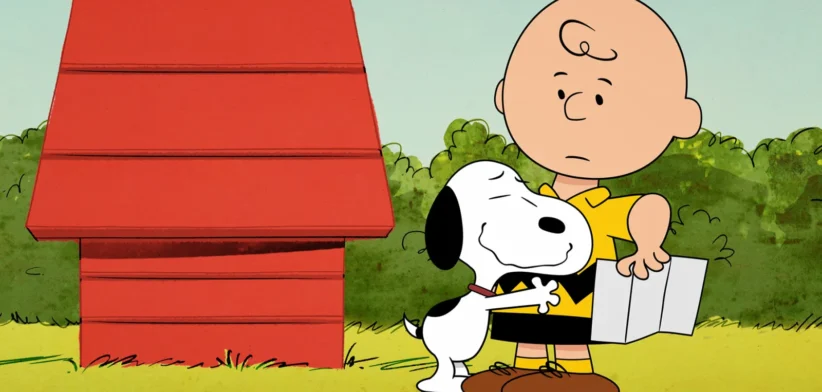
Charlie also has the beagle Snoopy. Snoopy is the world’s coolest dog – quirky, smart, fun, loyal, a bit bizarre, but totally dedicated to Charlie and there to support him on the toughest of days.
Then there is Lucy, the assertive, slightly caustic “mean girl” who is Charlie’s biggest critic, but you get the feeling that deep down she is really on Charlie’s side.
She runs a 5c booth for psychological advice. Again, I didn’t realise until recently that, under the joke of a kid charging for advice, when the advice comes it is well researched, sound and actually caring.
In retrospect, Lucy’s advice probably helped lots of us navigate through childhood.
Then there are the loyal, nice kids like Linus and Peppermint Patty who seem to be able to take their own path in life undeterred by the need to impress others.
In Linus’s case, however, there is an underlying anxiety that is mitigated by a security blanket that never leaves his side.
Pigpen is constantly filthy but feels no need to reform. Schroeder does not allow the amorous advances of Lucy to deter him from his true passion – Beethoven.
Then there is Woodstock, a bird of unknown species with poor flying ability who is a constant companion of the more confident Snoopy.
Perhaps the cleverest characterisation of all is the adults – or lack of them. You never see any adults and, when they talk, they just sound like annoying, incoherent chimes.
This allows the world of children to exist in its own special biosphere, unencumbered by adult voices and the baggage of maturity.
All these years later, there is something refreshing and deeply insightful in the world of Charlie Brown – free of digital technology and blessed with a frankness that is underpinned by loyalty.
US-based Charles M Schultz, who died in 2000, was notoriously optimistic.
He once said they you never had to worry about tomorrow never coming, because it was always tomorrow in Australia.